
WH SCOTT
LOLER Thorough Examination & Certification
Statutory thorough examination of lifting equipment and accessories, by a LEEA member company — across the UK and Republic of Ireland.
What Is a LOLER Thorough Examination?
A LOLER thorough examination is a systematic, detailed examination of lifting equipment by a competent person, carried out under Regulation 9 of the Lifting Operations and Lifting Equipment Regulations 1998. Its purpose is to find defects that are, or could become, dangerous — and to record them in a written report containing every particular set out in Schedule 1 of the Regulations.
It is not maintenance and it is not a service. Maintenance keeps equipment working; a thorough examination establishes whether that equipment is legally safe to remain in service. Both are required, and a well-maintained asset can still fail its examination.
If your organisation owns, operates or controls lifting equipment used at work, you are a duty holder under LOLER and the duty sits with you — whether or not you own the equipment. WH Scott has been examining lifting equipment since 1897, and the group now completes over 400,000 statutory examinations a year across the UK and Ireland as a LEEA member company working to a certified ISO 9001 quality management system. Every report is issued digitally to our CoreRFID portal, so the evidence is one login away when an auditor, insurer or principal contractor asks for it.
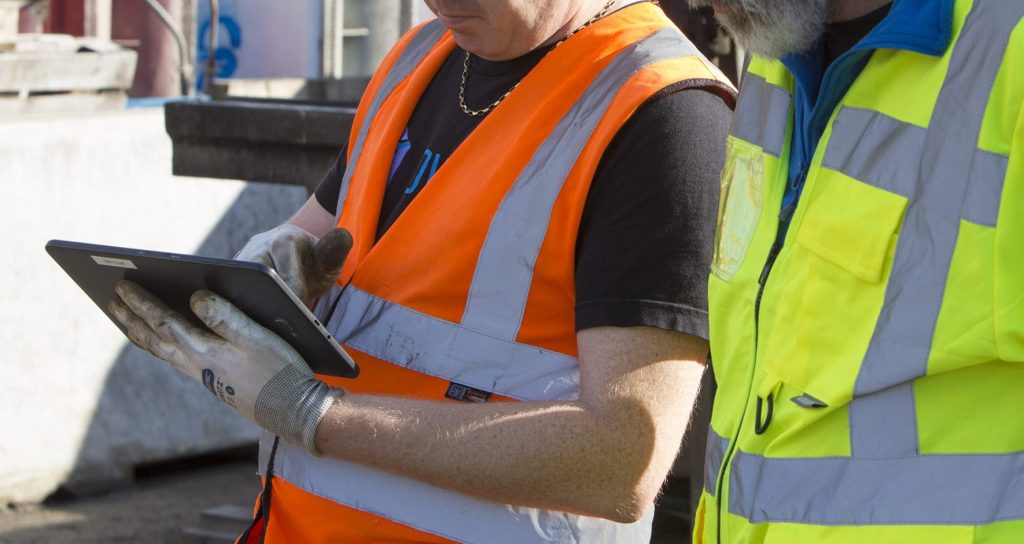
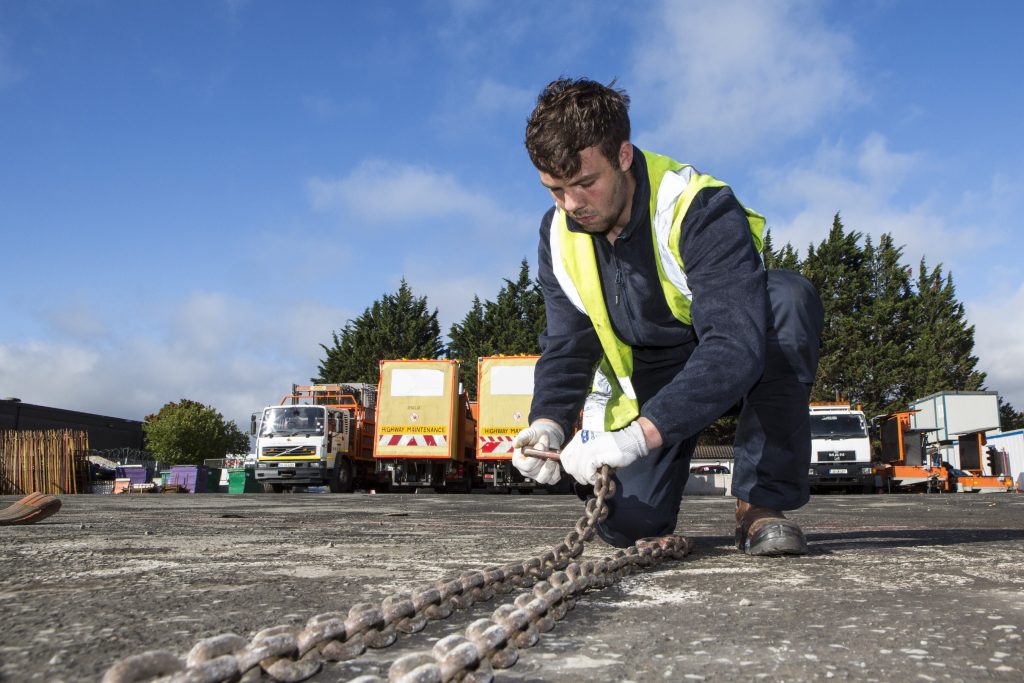
What Our LOLER Inspection Service Includes
Examination & certification
- Statutory thorough examination under LOLER Regulation 9, carried out by a competent person
- Written schemes of examination drawn up where the fixed six or twelve-month intervals do not suit the duty cycle or environment
- Reports of thorough examination containing every particular required by LOLER Schedule 1
- Defect identification and grading, with immediate notification of anything that presents a danger to persons
- Safe working load (SWL) and working load limit (WLL) verified against the marking required by Regulation 7
- Wear measurement, functional testing and safety-device checks appropriate to each asset type
- Supplementary proof load testing where the examination calls for it
Records, scheduling & follow-up
- Examination recorded digitally at the point of inspection, with reports uploaded the same day
- Asset register with unique equipment identification and full examination history per item
- Automated report distribution and renewal reminders ahead of every due date
- Colour-coded tagging so inspection status is visible on the shop floor at a glance
- Photographic evidence captured against defects and observations
- Risk assessments and method statements supplied and held against the inspection record
- Costed remedial recommendations, with repairs completed by our own engineers rather than passed to a third party
- Multi-site programmes covering UK and Republic of Ireland assets under a single schedule and one portal
Lifting Equipment & Accessories We Examine
Lifting equipment & plant
- Overhead travelling cranes, gantry cranes, jib cranes and runway systems
- Mobile cranes, crawler cranes and lorry loaders
- MEWPs, cherry pickers and scissor lifts
- Forklift trucks, telehandlers and their lifting attachments
- Chain blocks, lever hoists and powered hoists
- Winches, jacks and pallet stackers
- Excavators and loading shovels when used for object handling — the lifting duty falls under LOLER, the remaining functions under PUWER
Lifting accessories & loose tackle
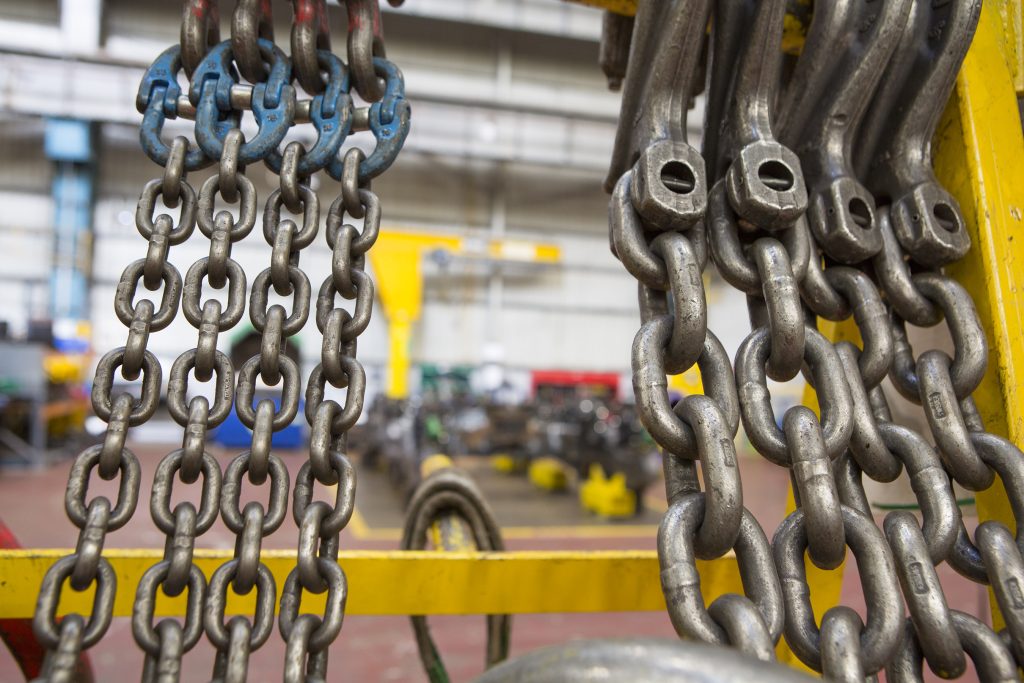
- Webbing slings, round slings, wire rope slings and chain slings
- Hooks, shackles, eyebolts and lifting eyes
- Spreader beams, lifting beams and lifting frames
- Magnetic and vacuum lifting devices
- Plate clamps and beam clamps
Lifts & access systems
- Passenger lifts, platform lifts and stairlifts
- Goods lifts, service lifts and dumbwaiters
- Vehicle lifts and tail lifts
- Construction hoists and mast climbing work platforms
- Patient hoists — ceiling track, mobile and bath — together with patient slings
Specialist & sector equipment
- Arborist and rope-access climbing equipment
- Stage, theatre and event rigging
- Suspended access equipment and cradles
- Vehicle recovery equipment and waste-handling lift gear
How often each type must be examined
LOLER Regulation 9(3) sets two statutory intervals, and an examination scheme can replace either of them.
|
Equipment |
Minimum interval |
|---|---|
|
Lifting equipment used to lift people – passenger and platform lifts, stairlifts, MEWPs, patient hoists |
At least every 6 months |
|
Lifting accessories – slings, chains, shackles, eyebolts, hooks, beam clamps |
At least every 6 months |
|
All other lifting equipment – overhead cranes, gantries, goods lifts, forklifts, telehandlers, tail lifts, winches |
At least every 12 months |
|
Any equipment covered b a written examination scheme drawn up by a competent person |
As specified in the scheme |
Regulations, Standards & Accreditations
The regulations we examine to
- Lifting Operations and Lifting Equipment Regulations 1998 (SI 1998/2307) — Regulation 7 (marking), Regulation 9 (thorough examination and inspection), Regulation 10 (reports and defects), Regulation 11 (keeping of information) and Schedule 1 (report content)
- Provision and Use of Work Equipment Regulations 1998 (PUWER) — applies alongside LOLER, covering the non-lifting functions of the same equipment
- Safety, Health and Welfare at Work (General Application) Regulations 2007, S.I. 299 — the equivalent duty for assets operated in the Republic of Ireland
The regulations we examine to
- L113 Safe use of lifting equipment — the Approved Code of Practice and guidance supporting LOLER, including the competent-person standard at paragraphs 296–299
- INDG474 Lifting equipment at work: a brief guide (HSE, 2017) — replaces INDG290 and INDG422, both withdrawn
- INDG339 Thorough examination and testing of lifts — HSE guidance for lift owners and dutyholders
- BS 7121 — Code of practice for the safe use of cranes
- LEEA Code of Practice for the Safe Use of Lifting Equipment — the industry standard for member companies
Our accreditations
- LEEA member company — Lifting Equipment Engineers Association
- ISO 9001 quality, ISO 14001 environmental, ISO 45001 health and safety, ISO 27001 information security — certified by Centre for Assessment
- SSIP via SafeContractor, Acclaim Accreditation, SafePQQ, Constructionline Gold, Achilles UVDB Verify and Supply-Line
- BS EN 1090 for structural steel and aluminium fabrication
- Metlab, the group’s engineering inspection and NDT company, holds INAB accreditation to ISO/IEC 17025 (Reg. 398T), ISO/IEC 17020 (Reg. 9031) and ISO/IEC 17024 (Reg. 7007)
Related Services
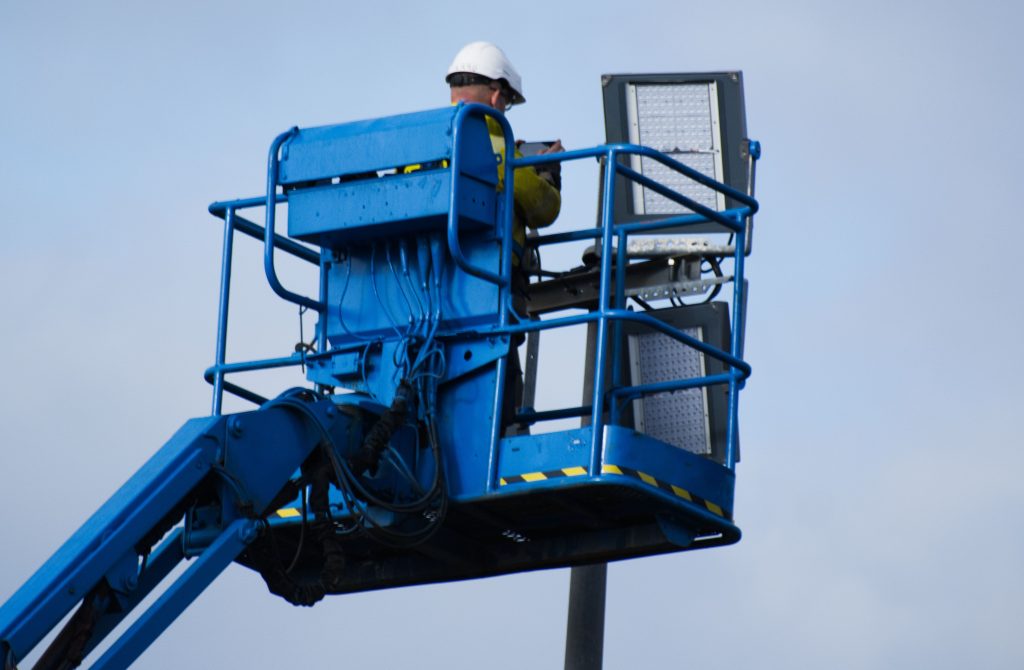
PUWER Inspection & Compliance Services
PUWER inspection services ensure work equipment complies with the Provision and Use of Work Equipment Regulations 1998. Regular examinations verify that machinery and equipment are safe for continued use, supporting legal compliance and workforce safety across industrial environments.
Loose Tackle LOLER Inspections & Maintenance
Loose tackle LOLER inspections ensure lifting accessories are compliant with the Lifting Operations and Lifting Equipment Regulations 1998. Thorough examination, reporting, and maintenance services help businesses maintain safety, legal compliance, and operational reliability.
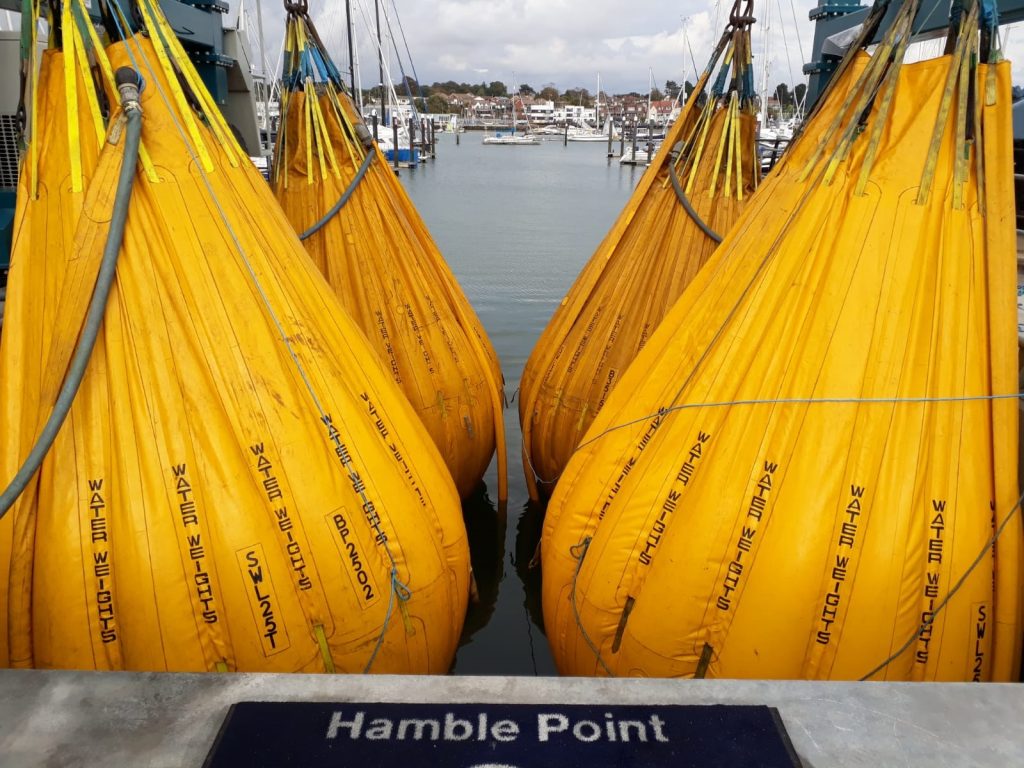
Load Testing
Load testing services for lifting equipment ensure assets operate safely within their rated capacity and comply with applicable safety regulations. Proof load testing validates structural integrity, performance, and certification readiness across a wide range of lifting systems and load-bearing structures.
Lifting Equipment Examination, Certification & Digital Reporting
LOLER thorough examination and certification services ensure lifting equipment and accessories remain safe, compliant and legally operable under the Lifting Operations and Lifting Equipment Regulations 1998.
![[Describe the photo you choose — for SEO]](https://whscottlifting.com/wp-content/uploads/2026/05/WHS-Gantry-Crane_V3.png)
Preventative Crane Maintenance
Preventative crane maintenance services ensure the safe, compliant, and efficient operation of overhead cranes, gantry cranes, and hoisting systems. Planned servicing, inspections, and diagnostics reduce downtime, extend equipment lifespan, and support compliance with LOLER and PUWER regulations.
Lifting Equipment Servicing, Maintenance & Breakdown Support
Lifting equipment servicing, maintenance and breakdown support ensures the safe, compliant, and efficient operation of cranes, hoists, and associated lifting systems. Planned maintenance programmes and rapid-response repair services minimise downtime, extend equipment lifespan, and maintain regulatory compliance.
Frequently Asked Questions
What is a LOLER inspection?
A LOLER inspection — properly called a thorough examination — is a detailed, systematic examination of lifting equipment by a competent person under Regulation 9 of LOLER 1998, resulting in a written report. It is a legal requirement for any employer or self-employed person who owns, operates or controls lifting equipment used at work.
How often are LOLER inspections required?
Lifting accessories and any equipment used to lift people must be thoroughly examined at least every six months. All other lifting equipment must be examined at least every twelve months. Either interval can be replaced by a written scheme of examination drawn up by a competent person, which may specify longer or shorter periods based on duty and environment. Examination is also required before first use, after installation or assembly at a new location, and after exceptional circumstances such as damage or major modification.
What is the difference between a thorough examination and an inspection?
A thorough examination is a detailed assessment by a competent person, supported by testing and measurement where necessary, that produces a formal report — and it is what LOLER Regulation 9 requires. An inspection is a lighter-touch check, usually visual and functional, carried out at intervals set by risk assessment, and it is how most PUWER duties are met. The two are not interchangeable, and a maintenance visit is neither.
Who counts as a competent person under LOLER?
The term is not defined in the Regulations. The Approved Code of Practice, L113, says the competent person must have such practical and theoretical knowledge and experience of the equipment being examined that they can detect defects or weaknesses and judge their importance for continued safe use. They must also be sufficiently independent and impartial to make objective decisions.
Can our own engineer carry out our LOLER examinations?
Yes, in principle. L113 is explicit that competent persons do not have to come from an external company, provided in-house examiners have genuine authority and independence to report without fear or favour. What they cannot do is examine equipment they also maintain, because they would be assessing their own work. In practice most duty holders appoint an external examiner for exactly that reason.
What must a LOLER report contain?
Schedule 1 of LOLER sets out the required particulars: the employer and premises, enough detail to identify the equipment and its date of manufacture where known, the date of the last thorough examination, the safe working load, the reason for the examination, any defect that is or could become a danger, the repair or alteration needed and the date by which it should be done, details of any tests carried out, the date the next examination is due, and the identity and signature of the competent person.
What happens if a defect is found?
The competent person must notify the employer immediately of any defect that is, or could become, a danger to persons, and record it in the written report. Where the defect involves an existing or imminent risk of serious personal injury, a copy of the report must also be sent to the relevant enforcing authority as soon as is practicable, and the equipment should be taken out of service until the defect is remedied.
Do you cover the Republic of Ireland as well as the UK?
Yes. Equipment in the Republic of Ireland is examined under S.I. 299 of 2007 rather than LOLER, where examination periods are set per equipment class in Schedule 1 rather than by a flat six or twelve-month rule. We inspect in both jurisdictions from thirteen offices, depots and laboratories, so multi-site clients run a single programme with one point of contact and one portal.
Get in Touch
Tell Us About Your Project
Whether you need a single piece of equipment or a fully engineered lifting system, our specialists can help. Tell us your load, environment and compliance requirements — we’ll do the rest.