
WH SCOTT
Pressure Systems Inspection (PSSR) & Written Schemes of Examination
Statutory examination of air receivers, steam boilers, pipework and protective devices, with written schemes drawn up, certified and kept in date by our competent engineers — on sites across the UK and Ireland.
Statutory Pressure System Examinations, UK and Ireland
If your site runs compressed air, steam or pressurised process fluids, those systems must be examined by a competent person before use and at intervals afterwards. In Great Britain and Northern Ireland that duty sits under the Pressure Systems Safety Regulations. In the Republic of Ireland it sits under the General Application Regulations, which work differently.
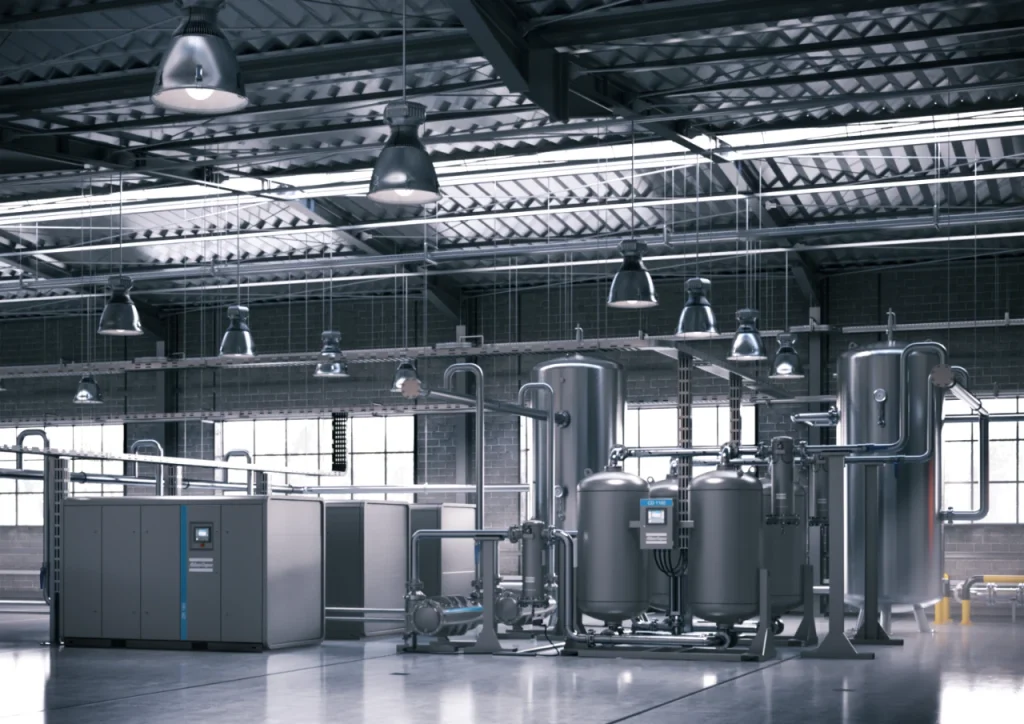
WH Scott Group carries out those examinations for manufacturers, food and drink producers, pharmaceutical and healthcare sites, utilities and contractors — from a single workshop air receiver to multi-vessel steam plant. We prepare or certify the written scheme, complete the examination, report clearly on condition and remedial action, and keep the next examination date in view.
What’s Included
- Written Schemes of Examination drawn up, or reviewed and certified, by a competent person
- Out-of-service thorough examinations, including internal access and pressure testing where the scheme requires it
- In-service examinations carried out under normal operating conditions
- Ultrasonic wall thickness surveys and remote visual inspection where internal access is restricted
- Examination and function testing of safety valves, pressure gauges and other protective devices
- Written reports covering condition, safe operating limits, remedial action and the next examination date
Systems We Examine
If a system contains a relevant fluid — steam at any pressure, or a gas or liquid held at more than 0.5 bar above atmospheric pressure — it is likely to be in scope. In practice that means:
- Vertical and horizontal air receivers, air/oil receivers and vacuum vessels
- Steam boilers, steam receivers, calorifiers and associated pipework
- Process vessels, autoclaves and gas storage systems
- Mobile compressors and skid-mounted plant
Hydraulic systems are outside PSSR and are normally inspected under PUWER or, on Irish sites, under S.I. No. 299. Some systems are excluded outright, so we confirm scope before quoting.
How a PSSR Examination Works
- Survey and classification. We establish what forms the pressure system, its safe operating limits, and which parts need examining.
- Written scheme. We draw up the scheme, or review and certify a scheme you already hold.
- Examination. Carried out to the scheme, in or out of service, with non-destructive testing where it is needed.
- Report and renewal. You receive a written report with clear actions, and we diary the next examination before it falls due.
Pressure Systems Compliance in the UK and Ireland
In Great Britain, the Pressure Systems Safety Regulations 2000 require a suitable written scheme of examination to be in place before a qualifying system is operated, and the competent person’s report must reach the user within 28 days. There are no fixed statutory intervals — the scheme sets the maximum period, based on duty and condition. Northern Ireland applies the equivalent Pressure Systems Safety Regulations (Northern Ireland) 2004.
The Republic of Ireland works differently. Part 10 of the Safety, Health and Welfare at Work (General Application) Regulations 2007, inserted by S.I. No. 445 of 2012, sets maximum examination periods in law: 14 months for Category 1 equipment such as steam boilers and steam generators, and 26 months for Category 2 vessels including steam and air receivers. Where a report requires use of a vessel to stop, a copy must reach the Health and Safety Authority within 20 days. UK documentation should not simply be re-badged for Irish sites — we issue the right paperwork for the jurisdiction you operate in.
Related Services
PUWER Inspection & Compliance Services
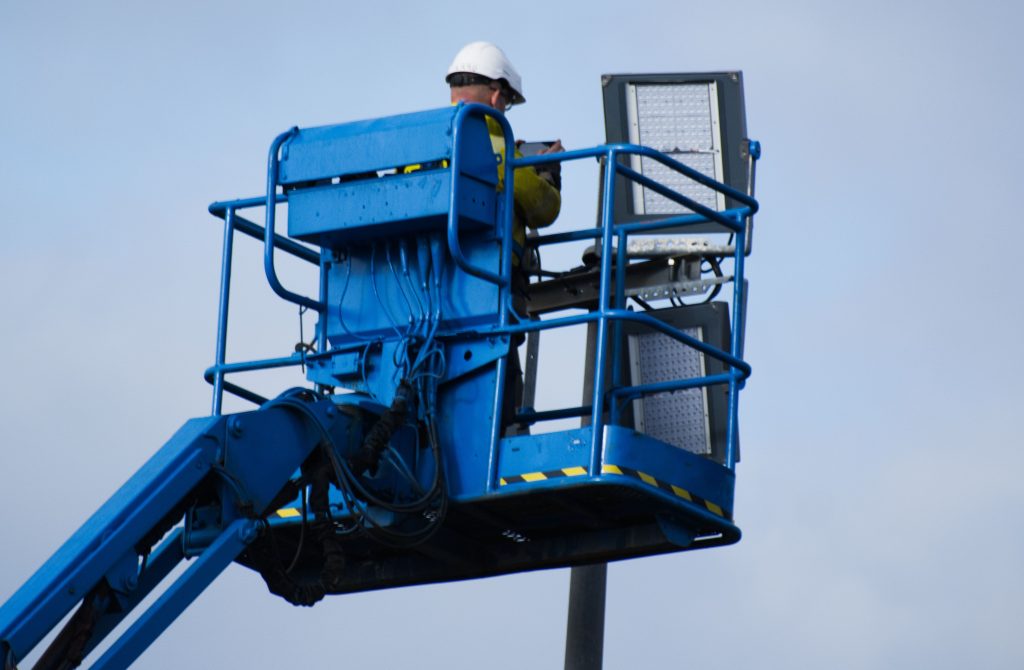
PUWER inspection services ensure work equipment complies with the Provision and Use of Work Equipment Regulations 1998.
PAT Testing (Portable Appliance Testing)
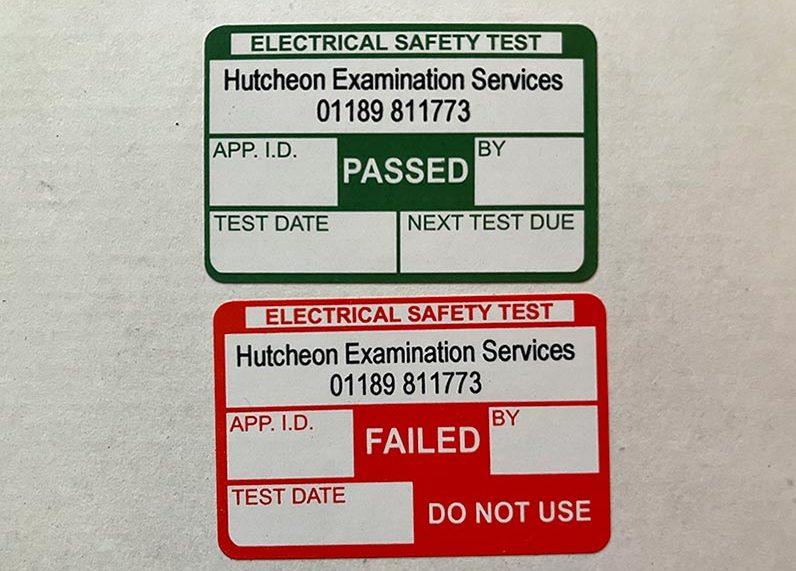
Portable Appliance Testing (PAT testing) ensures electrical equipment is maintained in a safe condition in line with the Electricity at Work Regulations 1989.
S.I. No. 299 – Maintenance of Work Equipment
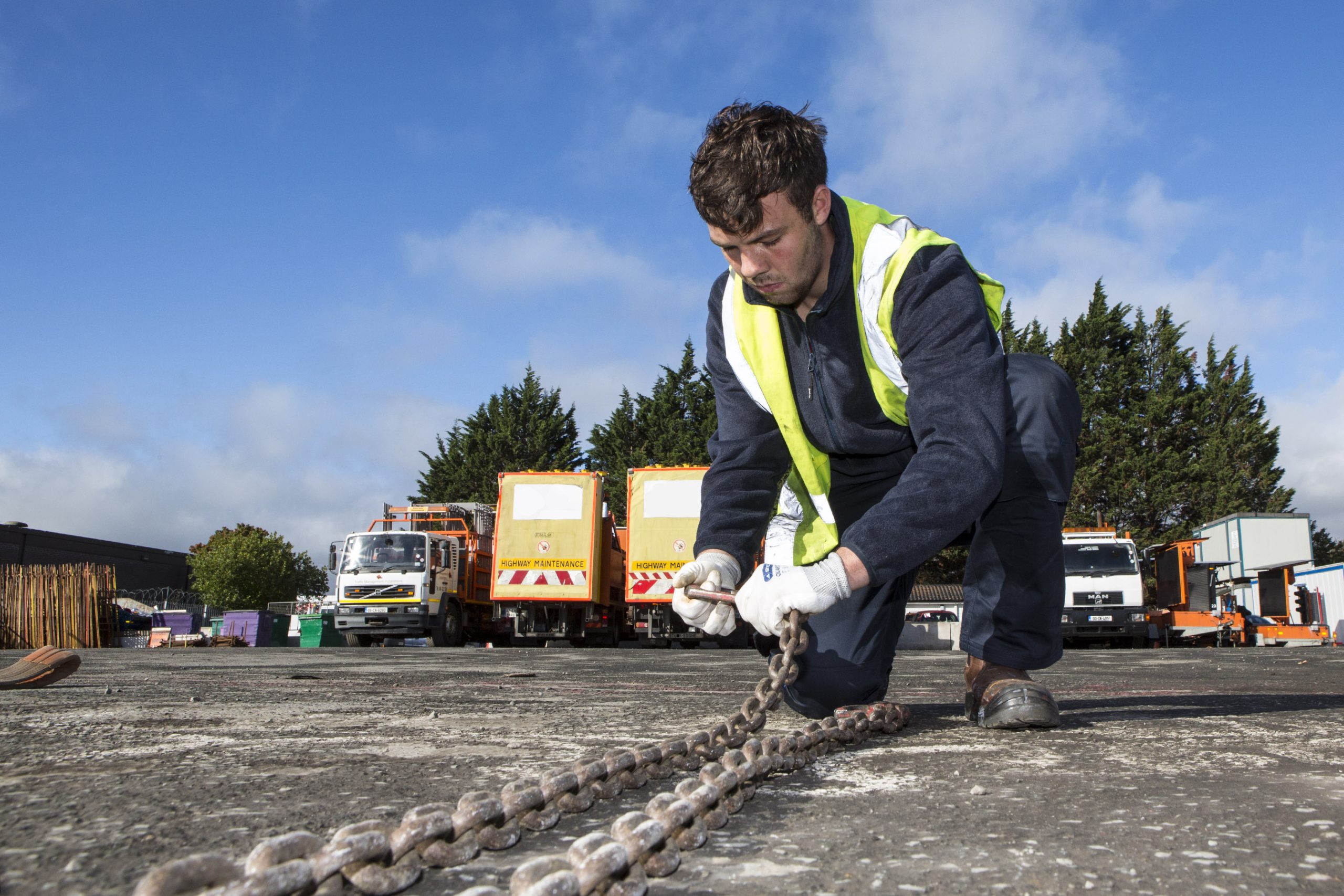
Work equipment inspection and maintenance compliance for Irish sites under the General Application Regulations 2007.
Frequently Asked Questions
What is a Written Scheme of Examination (WSE)?
In Great Britain and Northern Ireland, yes — if your system contains a relevant fluid and is not excluded, a suitable scheme must be in place before it is operated. The Republic of Ireland has no statutory written scheme; the Regulations set the maximum examination periods instead, although many operators still keep a scheme as good practice.
What is considered a ‘relevant fluid’ under PSSR?
Relevant fluids include steam at any pressure, gases, and liquids under pressure greater than 0.5 bar above atmospheric, as well as gases dissolved under pressure (e.g. acetylene).
Are all pressure systems covered by PSSR?
No. Systems that do not contain a relevant fluid are excluded. Certain systems are also exempt under Schedule 1 of the ACoP.
What is the difference between a thorough and working examination?
A thorough examination typically requires shutdown and internal access to the vessel, while a working examination is conducted while the system is operating under normal conditions.
How often does a pressure vessel need examining?
On Irish sites the maximum is set in law: 14 months for Category 1 equipment and 26 months for Category 2 vessels. In the UK the interval comes from the written scheme — 26 months is common for an air receiver in light duty, though harder service or a deteriorating vessel justifies less.
Get in Touch
Tell Us About Your Project
Whether you need a single piece of equipment or a fully engineered lifting system, our specialists can help. Tell us your load, environment and compliance requirements — we’ll do the rest.