
WH SCOTT
Lifting Equipment Inspection Ireland
Statutory lifting equipment inspections and thorough examinations in Ireland, helping businesses meet S.I. No. 299 of 2007 requirements and keep lifting equipment safe, compliant and certified.
Statutory Lifting Equipment Inspection in Ireland
Lifting equipment inspection in Ireland is a statutory duty, not a best-practice option. Under S.I. No. 299 of 2007 — the Safety, Health and Welfare at Work (General Application) Regulations 2007 — every employer must ensure that lifting equipment and lifting accessories are inspected, thoroughly examined and, where required, tested by a competent person at the intervals set out in Schedule 1.
WH Scott Group has been keeping lifting equipment safe and certified since 1897. Our Irish inspection teams work from depots in Dublin, Rathnew, Wexford, Cork, Laois and Belfast, delivering S.I. 299 thorough examinations, Regulation 30 inspections, proof load testing, defect reporting and full certification records across cranes, hoists, lifts, MEWPs, forklifts, patient hoists and lifting accessories.
Whether you manage a single overhead crane or a multi-site register of thousands of accessories, we give you one competent-person provider, one reporting format and one clear view of what is compliant, what is due and what needs action. Request a lifting equipment inspection quote.
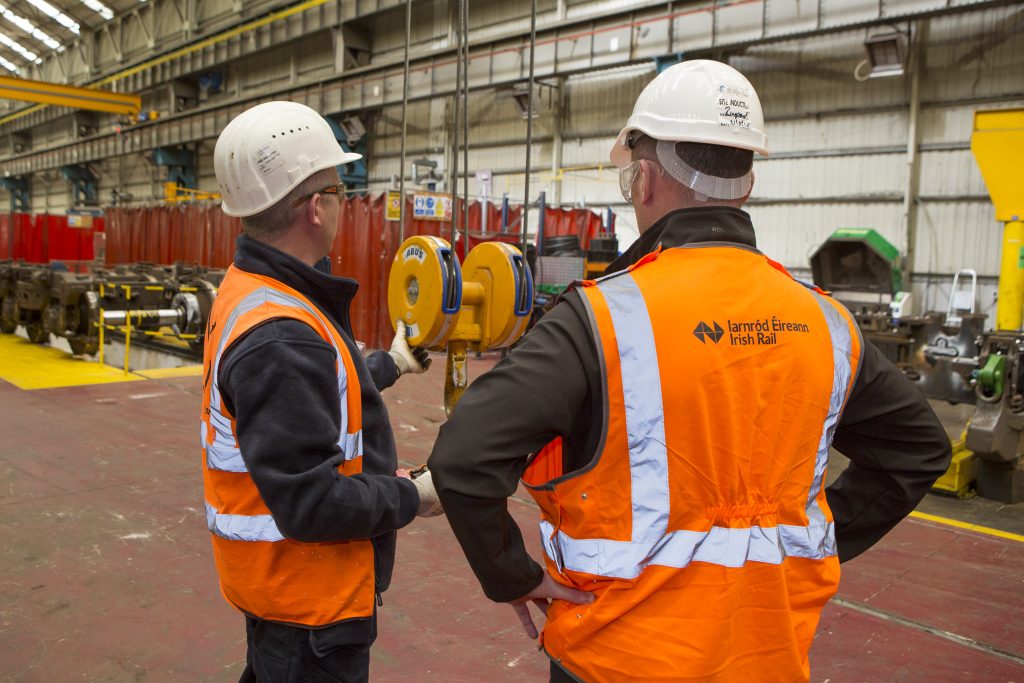
What Our S.I. 299 Lifting Equipment Inspection Service Includes
Every inspection programme is scoped to your assets, your site conditions and your statutory triggers. A typical service covers:
- Statutory thorough examination of lifting equipment at the applicable Schedule 1, Part B interval.
- Regulation 30 inspection where equipment safety depends on installation conditions, deterioration or exceptional circumstances.
- Testing where Schedule 1, Part C requires it, or where the competent person judges it necessary as part of the thorough examination.
- Asset identification and verification against your lifting equipment register, including distinguishing numbers and SWL/WLL marking.
- Structural assessment of load-bearing structures, fixings, support arrangements and anchorage points within the examination scope.
- Mechanical and safety-system assessment of ropes, chains, hooks, attachments, brakes, controls, limit devices and safety systems as applicable.
- Defect reporting with clear remedial recommendations, risk categorisation and action timescales.
- Re-examination following alterations or repairs relevant to safe operation, before equipment returns to service.
- Digital examination reports and certification records, available through our online inspection portal for live compliance visibility.
- Optional supporting services, including register creation, asset tagging, repair and refurbishment, planned maintenance and proof load testing, where separately instructed.
Lifting Equipment and Accessories We Inspect
Lifting Equipment Covered
Overhead travelling cranes, gantry cranes, jib and pillar cranes, mobile cranes, tower cranes and self-erecting cranes; electric and manual hoists, chain blocks and lever hoists; goods and passenger lifts, tailboard goods lifts and vehicle lifting tables; MEWPs, mast climbing work platforms and suspended access equipment; forklifts and telehandlers with lifting attachments; winches, runway beams, lifting beams and spreader frames; patient hoists; and other lifting machines within the statutory scope.
Lifting Accessories Covered
Chains, ropes, rings, hooks, shackles, clamps, swivels, spreader beams and frames, vacuum lifting devices, slings, eyebolts and any other accessory placed between the lifting equipment and the load, or used to attach the load.
Statutory Examination Intervals
Schedule 1, Part B generally sets a maximum period of either 6 months or 12 months, depending on the equipment type and whether it is used to lift persons. Equipment used in electrical generation, transformation, switching or regulation is examined under a competent-person.
When Testing Is Required (Schedule 1, Part C)
Testing is triggered after substantial alterations or repairs affecting strength or stability; before first use for fixed lifting equipment; after assembly or configuration changes for specified cranes; every four years for mobile cranes and winches; and in the other circumstances listed in Part C.
Exclusions and Limitations (Schedule 1, Part D)
Items listed in Schedule 1, Part D are outside the Regulation 52 thorough examination duty but remain subject to Regulation 30 inspection. These include bottle jacks, pallet trucks, tractor hitches, vehicle wheelchair hoists, escalators, conveyors and platform lifts serving a level change of 1.2 m or less. Work equipment outside the lifting scope is covered by our S.I. 299 maintenance of work equipment inspections.
S.I. 299 Thorough Examination Intervals at a Glance
| Equipment / Circumstance | Requirement | Maximum Period Between Examinations |
|---|---|---|
| Hoist or lift | Thorough examination by a competent person | 6 months |
| Suspended access equipment | Thorough examination | 6 months |
| Mast climbing work platform | Thorough examination | 6 months |
| Mobile elevating work platform (MEWP) | Thorough examination | 6 months |
| Tower crane climbing rig | Thorough examination | 6 months |
| Lifting accessories including chains, ropes, rings, hooks, shackles, clamps, swivels, spreader beams and frames, and vacuum lifting devices | Thorough examination | 6 months |
| Patient hoist | Thorough examination | 6 months |
| Crane | Thorough examination | 12 months |
| Crane used in dock work, shipbuilding or ship repairing | Thorough examination | 12 months |
| Fork lift truck, including interchangeable accessories | Thorough examination | 12 months 6 months if used to lift persons |
| Telehandler, including interchangeable accessories | Thorough examination | 12 months 6 months if used to lift persons |
| Tailboard goods lift | Thorough examination | 12 months |
| Vehicle lifting table | Thorough examination | 12 months |
| Winch used for lifting loads | Thorough examination | 12 months |
| Items provided for the support of lifting equipment | Thorough examination | 12 months |
| Hoisting equipment on fishing vessels | Thorough examination | 12 months |
| Other lifting machines used for materials only | Thorough examination | 12 months |
| Other lifting machines used to lift persons | Thorough examination | 6 months |
Periods summarised from S.I. No. 299 of 2007, Schedule 1, Part B.
Our Inspection Process: From Scope to Certification
- Define the inspection scope. We confirm the site, equipment types, asset quantities, previous reports, installation status and whether any equipment has been altered, repaired, relocated or exposed to exceptional circumstances.
- Verify the asset register and identification. Each item is matched to its distinguishing number, SWL/WLL information and date of first use.
- Carry out the competent-person examination. We examine each item to the depth appropriate to its type, duty cycle, operating environment and statutory trigger, covering accessible structural, mechanical and safety-critical components.
- Complete testing where required. Testing is undertaken where Schedule 1, Part C requires it, or where the competent person determines it is necessary to establish continued safety.
- Record defects and compliance findings. We document defects, required remedies, any conditions of continued use, repair timescales and the latest date for the next examination.
- Issue reports and certification. You receive the examination record or certificate required for each asset, plus support in maintaining the Regulation 54 lifting equipment register.
- Close out remedial actions. Once repairs or alterations are complete, we arrange re-examination and any required testing before the equipment returns to service.
Certifications & Standards
Lifting equipment used in Ireland must be inspected and examined in line with the requirements of S.I. No. 299 of 2007 – Safety, Health and Welfare at Work (General Application) Regulations. Depending on the equipment and circumstances, this can include statutory thorough examination, Regulation 30 inspections and testing by a competent person.
For businesses responsible for cranes, hoists, lifting accessories and other lifting equipment, maintaining accurate examination records and addressing defects promptly are essential to safe and compliant operation. Our lifting equipment inspection services in Ireland help businesses meet their statutory obligations with clear reporting and certification.
For UK operations, separate requirements apply under LOLER and PUWER, depending on the equipment and application. WH Scott can provide LOLER thorough examinations and PUWER inspections across the UK and Ireland.
Related Services
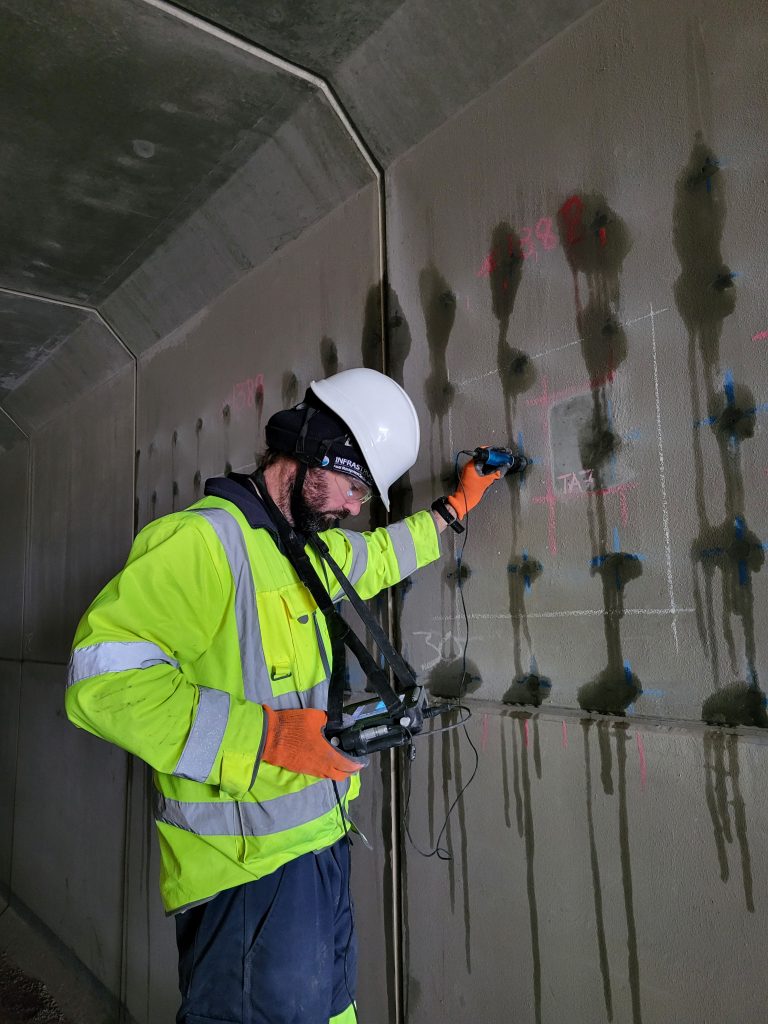
Non-Destructive Testing (NDT)
Non-destructive testing (NDT) evaluates the integrity of materials, welds and components without damaging them — detecting cracks, corrosion, laminations and hidden defects while the asset stays in service. Metlab has delivered accredited NDT across Ireland since 1982, from routine weld inspection to advanced phased array and time-of-flight diffraction.
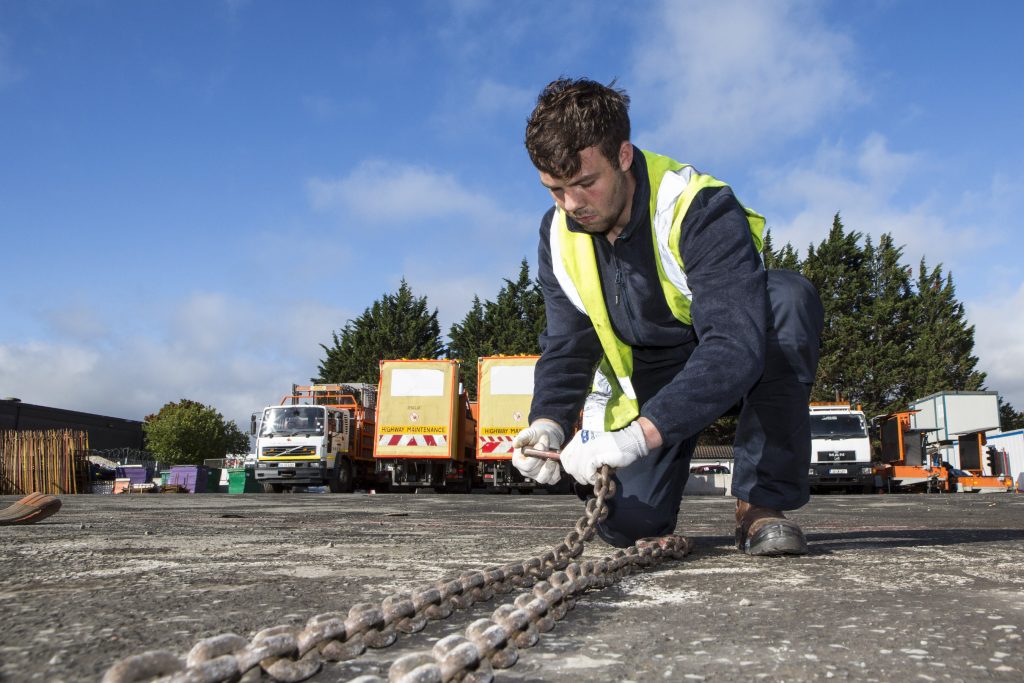
Statutory Lifting Equipment Inspections
Statutory lifting equipment inspections ensure compliance with LOLER and SI 299 regulations while maintaining the safety, reliability, and operational readiness of lifting assets. Delivered on-site by qualified engineers, these inspections identify defects, assess risk, and provide certification required for legal operation across the UK and Ireland.
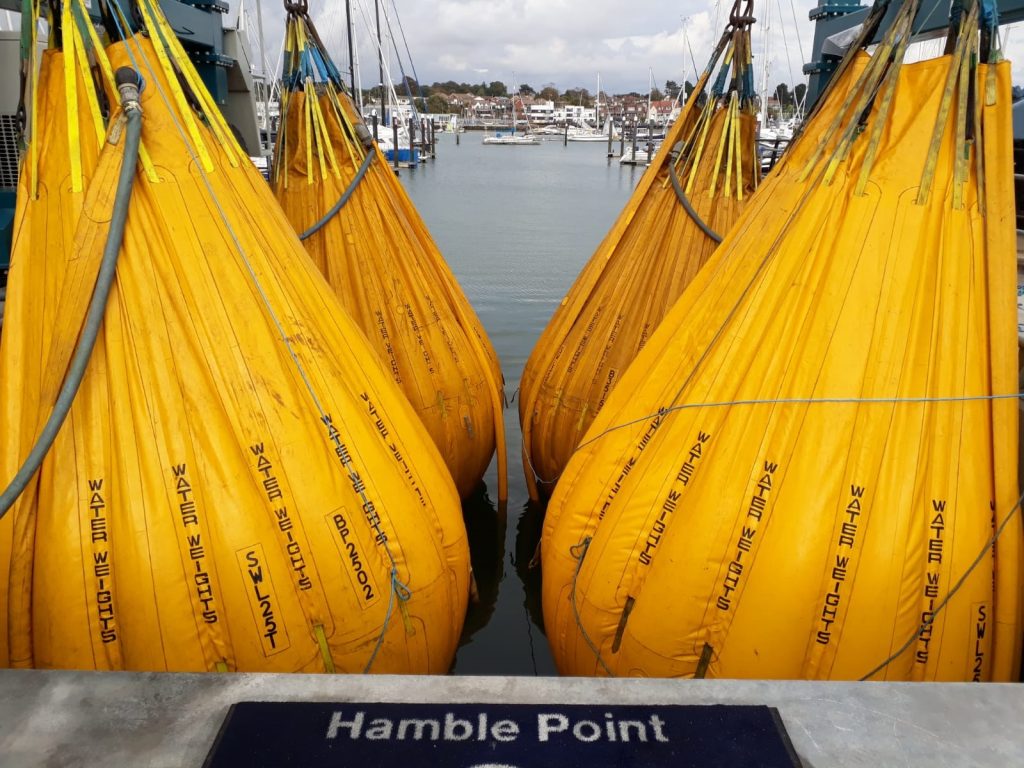
Load Testing
Load testing services for lifting equipment ensure assets operate safely within their rated capacity and comply with applicable safety regulations. Proof load testing validates structural integrity, performance, and certification readiness across a wide range of lifting systems and load-bearing structures.
Frequently Asked Questions
How often does lifting equipment need to be inspected in Ireland?
The maximum thorough examination period depends on the equipment type under Schedule 1, Part B of S.I. No. 299 of 2007. Many hoists, lifting accessories and items used to lift persons require examination every 6 months, while cranes and many other lifting machines are generally examined every 12 months. A competent person may require a shorter interval where conditions justify it.
Is LOLER applicable in the Republic of Ireland?
No. LOLER applies in Great Britain, with separate LOLER regulations in Northern Ireland. In the Republic of Ireland, lifting equipment duties are governed by S.I. No. 299 of 2007. The two frameworks are similar in purpose but differ in statutory detail and examination requirements.
What is the difference between an inspection and a thorough examination?
A Regulation 30 inspection is required in circumstances such as installation, deterioration or exceptional events. A Regulation 52 thorough examination is the statutory detailed examination of listed lifting equipment at the Schedule 1 interval and includes testing where required or considered necessary by the competent person. Routine maintenance and pre-use visual checks do not replace a thorough examination.
What records must an employer keep for lifting equipment?
Employers should maintain the Regulation 54 register of lifting equipment and accessories, current thorough examination reports, Regulation 30 inspection records, applicable test certificates and an up-to-date maintenance log. The supplied source states that Regulation 30 inspection records must be kept available for five years.
What happens if a serious defect is found?
The competent person records the defect and required remedy. Where repairs are necessary or foreseeable, the owner and user must be notified in writing with a repair period. If immediate cessation of work is advised, the supplied source states that a copy of the report must be sent to the Health and Safety Authority within 20 days. Equipment should not return to service until the required repair, re-examination and any necessary testing are complete.
Get in Touch
Tell Us About Your Project
Whether you need a single piece of equipment or a fully engineered lifting system, our specialists can help. Tell us your load, environment and compliance requirements — we’ll do the rest.