
WH SCOTT
S.I. No. 299 – Maintenance of Work Equipment
Work Equipment Inspection Under S.I. No. 299 of 2007
Work equipment inspection in Ireland helps employers meet their duties under the Safety, Health and Welfare at Work (General Application) Regulations 2007 — S.I. No. 299 — by identifying installation faults, deterioration and safety-critical defects before equipment presents a risk. Our competent persons inspect fixed and mobile plant on site throughout the Republic of Ireland, from a single machine to a fully scheduled multi-site programme, including lifting equipment inspection in Ireland across cranes, hoists and accessories.
Regulation 30 covers the inspection of work equipment and Regulation 31 covers its maintenance. Inspection frequency under Regulation 30 is risk-based rather than set at one universal interval, although separate statutory examination and testing periods apply to certain equipment — lifting equipment in particular. Employers operating on both sides of the Irish Sea should note that the equivalent duties in Great Britain sit under PUWER; we deliver PUWER inspections in the UK to the same reporting standard.
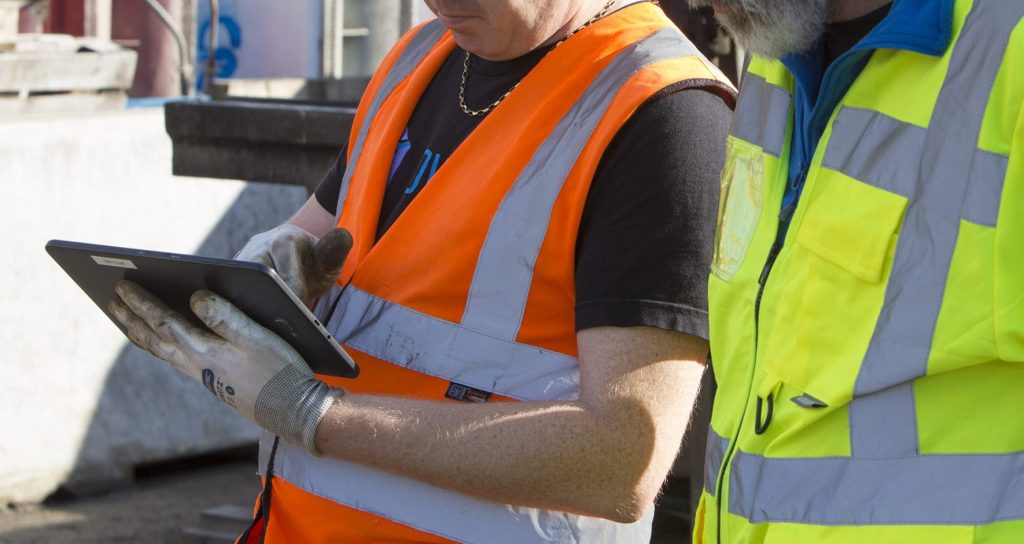
What an S.I. 299 Work Equipment Inspection Includes
- Initial inspection of work equipment where safety depends on installation conditions
- Inspection following assembly at a new site or location
- Periodic inspection where equipment is exposed to deterioration that could create a safety or health risk
- Special inspection after exceptional circumstances such as modification, an accident, a natural event or prolonged inactivity
- Assessment of inspection requirements based on equipment type, use, location and operating environment
- Equipment identification and asset register review
- Review of previous inspection history and outstanding defects
- Visual and functional examination appropriate to the equipment
- Identification of deterioration, damage, wear and other safety-critical conditions
- Testing where appropriate to the inspection scope
- Identification of equipment requiring a separate statutory thorough examination under Regulation 52
- Identification of equipment falling within Schedule 1 Part B, Part C or Part D
- Defect classification and remedial recommendations
- Inspection records suitable for the five-year Regulation 30 retention requirement
- Re-inspection following repair where required
- Support with multi-site inspection programmes and inspection scheduling
Where the asset is lifting equipment, the programme can also cover thorough examination, statutory testing and certification under Regulation 52 and Schedule 1 — delivered as part of our statutory lifting equipment inspections.
Work Equipment We Inspect Under Regulation 30
Regulation 30 can apply to a wide range of work equipment where the relevant inspection requirements are met. This includes overhead travelling cranes, gantry cranes, jib cranes, mobile and tower cranes, hoists, chain blocks, winches, lifting beams and crane supporting structures, as well as associated lifting accessories such as chains, ropes, slings, hooks, shackles, eyebolts, clamps and vacuum lifting devices.
The requirements can also extend to access and work-at-height equipment, including MEWPs, mast climbing work platforms, suspended access equipment, scaffolds, working platforms, guard-rails and ladders, alongside mobile plant and material-handling equipment such as forklift trucks and telehandlers. Certain equipment with lifting functions may also fall under Regulation 30 while being outside the Regulation 52 thorough examination requirements, including items such as bottle jacks, pallet trucks, tractor hitches and vehicle wheelchair hoists.
WH Scott can advise on the inspection and examination requirements that apply to your equipment and help you maintain the necessary compliance records. For specific requirements around loose tackle, see our loose tackle inspection and maintenance service.
Our Work Equipment Inspection Process
- Identify and register the equipment– Establish what equipment is present, where it is located, how it is used, its rated capacity where applicable and its available inspection or maintenance history.
- Determine the applicable statutory duty –Establish whether the asset requires Regulation 30 inspection, Regulation 52 thorough examination, Schedule 1 Part C testing, Regulation 119 inspection or another equipment-specific requirement.
- Define the inspection scope and frequency – Assess equipment type, deterioration mechanisms, operating environment, duty cycle, manufacturer requirements, previous findings and consequences of failure.
- Carry out the inspection – A competent person examines the equipment using methods appropriate to its nature, location and use. Testing or specialist techniques may be included where required by the equipment or identified failure modes.
- Record and report findings– Document equipment identification, inspection date, scope, findings, defects, recommendations and any required follow-up action.
- Manage defects and remedial actions – Unsafe equipment is removed from service where necessary. Repairs or maintenance are completed by competent personnel and recorded.
- Re-inspect or test where required – Equipment is re-examined following relevant repairs or alterations where legislation or the competent person’s assessment requires it.
- Maintain the inspection programme – Keep records retrievable, monitor inspection due dates and review deterioration trends so the inspection programme can be adjusted where evidence supports a shorter interval.
Irish Regulations, Schedules and Standards We Work To
WH Scott provides statutory inspection and thorough examination of lifting equipment in accordance with the applicable Irish lifting equipment regulations, including the Safety, Health and Welfare at Work (General Application) Regulations 2007 (S.I. No. 299 of 2007). Our competent engineers can carry out the required examinations, inspections and testing, with reports and certification provided to help you meet your legal responsibilities and maintain safe lifting operations.
For more information on lifting equipment compliance in Ireland, including examination periods, inspection requirements and the responsibilities of employers and equipment owners, see our detailed compliance guidance. If your lifting equipment is due for inspection or thorough examination, contact WH Scott to arrange an appointment with one of our competent engineers.
Related Services
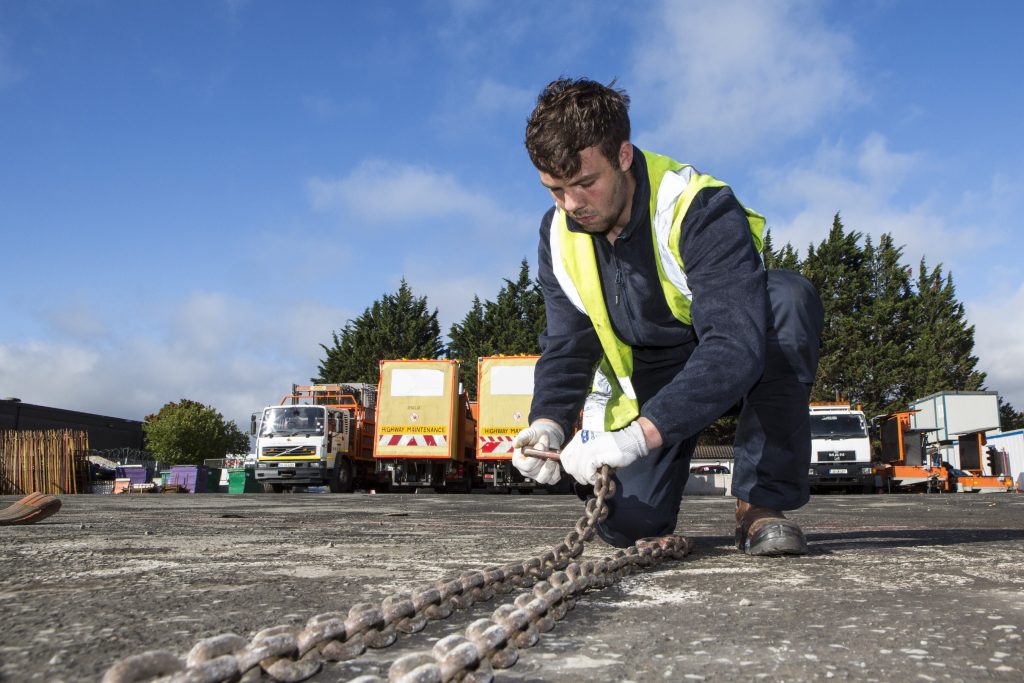
Statutory Lifting Equipment Inspections
Statutory lifting equipment inspections ensure compliance with LOLER and SI 299 regulations while maintaining the safety, reliability, and operational readiness of lifting assets. Delivered on-site by qualified engineers, these inspections identify defects, assess risk, and provide certification required for legal operation across the UK and Ireland.
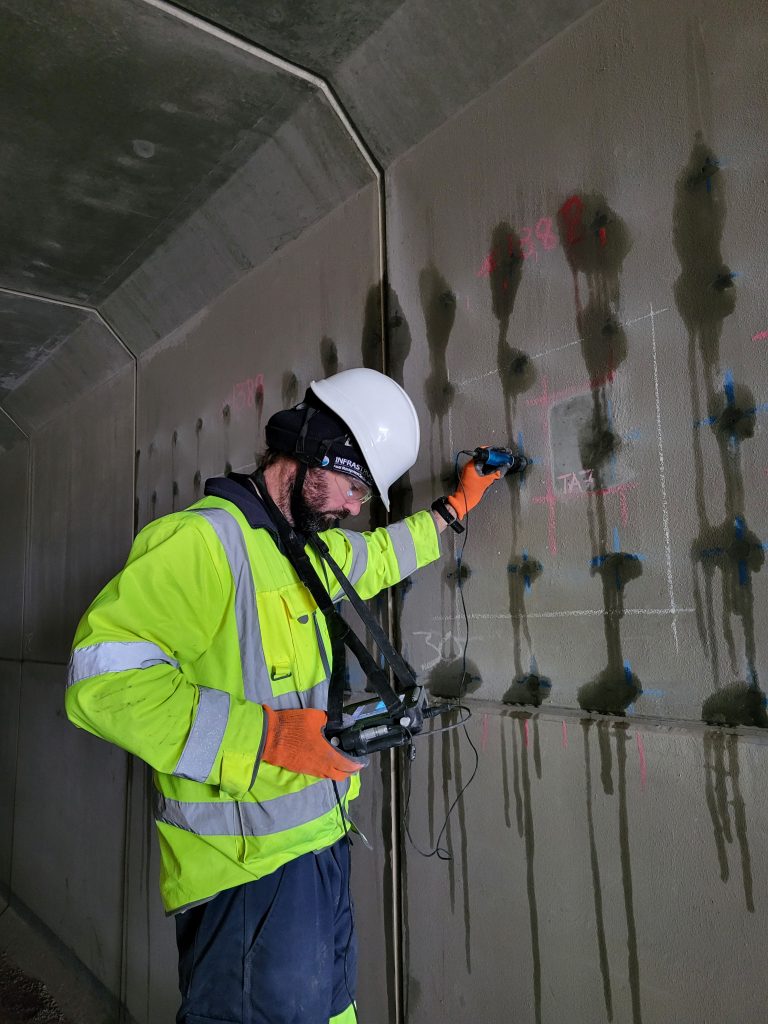
Non-Destructive Testing (NDT)
Non-destructive testing (NDT) evaluates the integrity of materials, welds and components without damaging them — detecting cracks, corrosion, laminations and hidden defects while the asset stays in service. Metlab has delivered accredited NDT across Ireland since 1982, from routine weld inspection to advanced phased array and time-of-flight diffraction.
![[Describe the photo you choose — for SEO]](https://whscottlifting.com/wp-content/uploads/2026/05/WHS-Gantry-Crane_V3.png)
Preventative Crane Maintenance
Preventative crane maintenance services ensure the safe, compliant, and efficient operation of overhead cranes, gantry cranes, and hoisting systems. Planned servicing, inspections, and diagnostics reduce downtime, extend equipment lifespan, and support compliance with LOLER and PUWER regulations.
Frequently Asked Questions
What is Regulation 30 of S.I. No. 299 of 2007?
Regulation 30 covers the inspection of work equipment in Ireland. It requires inspection where equipment safety depends on installation conditions and where equipment is exposed to deterioration liable to create a danger to safety or health. It also requires special inspection following exceptional circumstances that could make the equipment unsafe.
How often does work equipment need to be inspected in Ireland?
Regulation 30 does not prescribe one fixed inspection interval. The frequency should reflect the equipment, its operating conditions, deterioration rate, use, manufacturer requirements, previous findings and the consequences of failure.
Specific equipment may have separate statutory periods. For example, Schedule 1 Part B specifies six or twelve-month thorough examination periods for many classes of lifting equipment.
What is the difference between inspection and thorough examination?
Inspection under Regulation 30 is intended to detect installation issues and deterioration in sufficient time for corrective action.
A thorough examination under Regulation 52 is a separate statutory requirement applying to specified lifting equipment and includes testing where the competent person considers it necessary or Schedule 1 requires it.
Neither should be confused with routine maintenance under Regulation 31.
How long must Regulation 30 inspection records be kept?
Inspection results under Regulation 30 must be recorded and kept available for five years from the date of inspection. They must be available to an inspector and accessible to users of the equipment on request.
Get in Touch
Tell Us About Your Project
Whether you need a single piece of equipment or a fully engineered lifting system, our specialists can help. Tell us your load, environment and compliance requirements — we’ll do the rest.