
WH SCOTT
PAT Testing and Portable Appliance Inspection Across the UK & Ireland
On-site inspection, testing, labelling and certification of portable electrical equipment — from 110V power tools and cable reels to welfare and office appliances. Our multi-disciplined surveyors can cover your PAT testing alongside LOLER, PUWER and HAVS inspections in a single visit.
What Is PAT Testing?
PAT testing is the combined visual inspection and electrical testing of portable and transportable equipment to confirm it is safe to remain in service. It is the practical way employers meet their duty to maintain electrical equipment so as to prevent danger.
We work on your site and set the frequency by how equipment is actually used, rather than defaulting to an annual sweep. Every item is identified, assessed, labelled and recorded, so you finish with an asset register you can put in front of an enforcing authority, an insurer or a client auditor — not just a sticker on a plug.
What’s Included in a PAT Test
Our inspections follow the sequence set out in the IET Code of Practice for In-service Inspection and Testing of Electrical Equipment (5th Edition):
- Asset identification — each item is logged and uniquely numbered so results can be tracked from one visit to the next.
- Formal visual inspection — plug, flex, casing, guarding and fuse rating are checked for damage, wear and misuse. Most defects are found at this stage.
- Electrical testing — earth continuity, insulation resistance and, where appropriate, polarity, load and leakage testing using calibrated instruments.
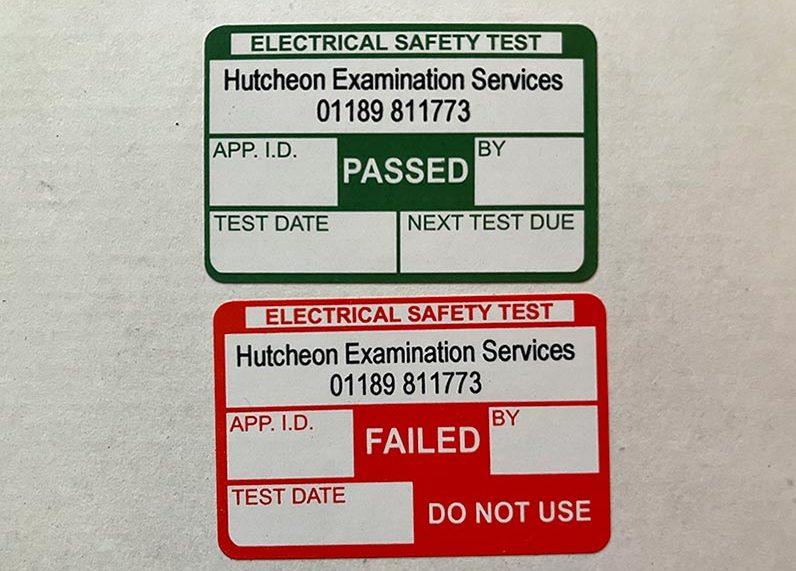
- Labelling, reporting and certification — a pass or fail label is applied to every item, supported by a full report and asset register.
Failed items are clearly labelled and reported so they can be repaired, replaced or withdrawn from service before they cause an injury or a stoppage.
Equipment We Test
We cover portable and transportable equipment across industrial, commercial, construction and welfare environments, including 110V site supplies and IT loads that need a specific test approach.
- Power tools, grinders and portable compressors
- Electrically powered chain hoists and winches (which also require LOLER thorough examination)
- Extension leads, cable reels, transformers and site distribution
- Battery chargers, IT and desk equipment
- Canteen, welfare and facilities appliances
Fixed wiring and distribution boards fall outside the scope of PAT testing and are covered instead by periodic inspection under BS 7671 in the UK or I.S. 10101 in Ireland.
Compliance in the UK and Ireland
In Great Britain, the Electricity at Work Regulations 1989 require electrical systems to be maintained so as to prevent danger; Northern Ireland applies the same duty under the Electricity at Work Regulations (Northern Ireland) 1991. Neither sets a testing interval, and neither does the HSE: guidance in INDG236 and HSG107 sets out a risk-based combination of user checks, formal visual inspection and, where justified, electrical testing. Annual testing of every item is a myth, not a legal requirement — but the duty to maintain is not optional, and the flexibility cuts both ways. If the interval is yours to set, it is also yours to defend. We build that schedule with you, item by item, so you are testing what genuinely needs testing at a frequency you can stand over when an inspector, insurer or principal contractor asks to see it.
The position in the Republic of Ireland is more prescriptive. Regulation 81 of the Safety, Health and Welfare at Work (General Application) Regulations 2007 (S.I. No. 299 of 2007) deals specifically with portable equipment. It requires equipment to be maintained in a manner fit for safe use, requires user checks and periodic inspection by a competent person where equipment is exposed to conditions likely to cause deterioration, and, in the circumstances it sets out, requires circuits supplying portable equipment to be protected by a residual current device rated at no more than 30 mA. If you operate on both sides of the border, we apply the correct regime at each site — see also our S.I. No. 299 work equipment compliance service.
Related Services
PUWER Inspection & Compliance Services
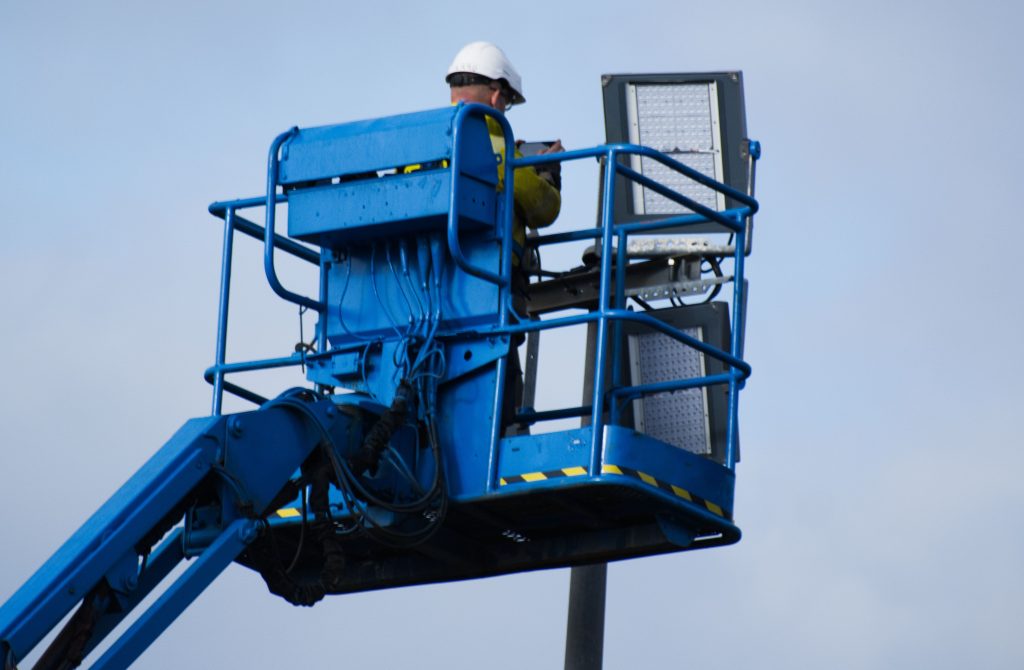
PUWER inspection services ensure work equipment complies with the Provision and Use of Work Equipment Regulations 1998.
Hand Arm Vibration Syndrome (HAVS) Testing & Assessment
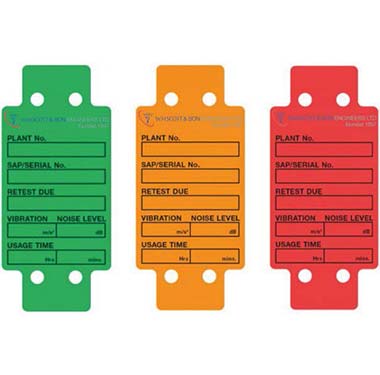
Hand Arm Vibration Syndrome (HAVS) testing and assessment services measure operator exposure to vibration from hand-held tools and equipment in accordance with recognised industry standards
LOLER Thorough Examination & Certification (Lifting Equipment & Accessories)
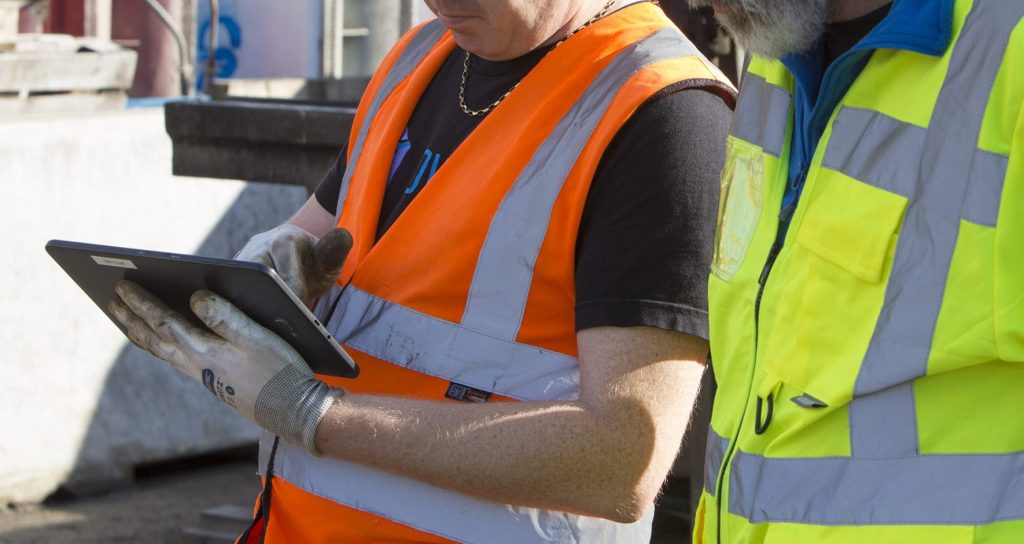
LOLER thorough examination and certification services ensure lifting equipment and accessories remain safe, compliant and legally operable under the Lifting Operations and Lifting Equipment Regulations 1998.
Frequently Asked Questions
Is PAT testing a legal requirement in the UK?
PAT testing itself is not explicitly mandated by law. However, the Electricity at Work Regulations 1989 require that electrical equipment is maintained in a safe condition, and PAT testing is a widely accepted method of demonstrating compliance.
How often should PAT testing be carried out?
Testing frequency is risk-based and depends on the type of equipment and its environment. Equipment used frequently or in harsh conditions (e.g. construction sites) requires more frequent testing than low-use office equipment.
What is included in a PAT test?
A PAT test includes both a visual inspection and electrical testing using specialist instruments to identify faults that may not be visible.
Can PAT testing be combined with other inspections?
Yes. Our surveyors are multi-disciplined, so PAT testing can be scheduled alongside LOLER, PUWER, HAVS or LEV work to keep disruption to one planned visit. See our full range of inspection services.
Do I get certification and records?
Yes. Every visit produces labelled equipment, a pass/fail report and an asset register listing each item, its test results and any defects found.
Get in Touch
Tell Us About Your Project
Whether you need a single piece of equipment or a fully engineered lifting system, our specialists can help. Tell us your load, environment and compliance requirements — we’ll do the rest.