
WH SCOTT
PUWER Inspection & Compliance Services
Risk-based inspection of work equipment under the Provision and Use of Work Equipment Regulations 1998, plus statutory thorough examination of power presses. Inspection records are issued digitally and held online — backed by more than 400,000 statutory examinations a year across the UK and Ireland.
What a PUWER Inspection Actually Is
PUWER — the Provision and Use of Work Equipment Regulations 1998 — has the widest reach of any equipment law in Great Britain. It applies to almost anything used at work: machinery, appliances, apparatus, tools and installations, whether you own them, hire them, lease them or an employee brought them in from home. The duty sits with whoever provides or controls the equipment, not with whoever supplied it.
Regulation 6 requires work equipment to be inspected by a competent person where its safety depends on how it was installed, or where it is exposed to conditions that cause it to deteriorate. The result has to be recorded, and that record kept at least until the next one is made. Regulation 5 — keeping equipment maintained and in efficient working order — is a separate duty, and a service log alone does not discharge it.
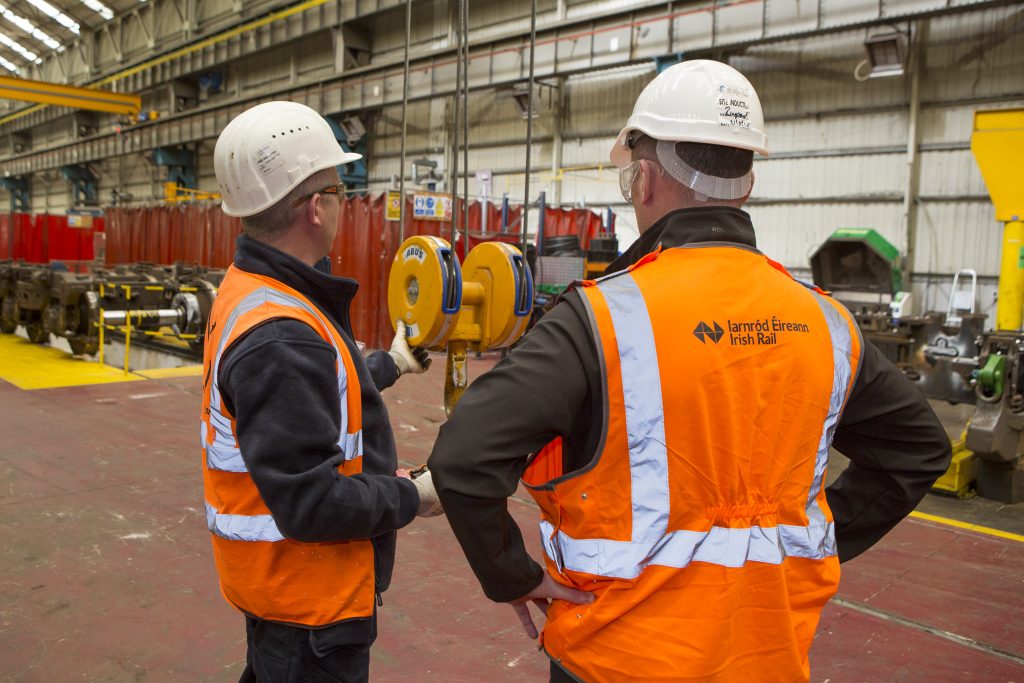
Our inspectors carry out that inspection, record it against your asset register, and tell you plainly what needs remedying and by when. Where an asset also carries a lifting function, a pressure system or an extraction system, we cover the LOLER, PSSR and COSHH duties in the same visit rather than sending a second engineer.
There is no such thing as a PUWER certificate
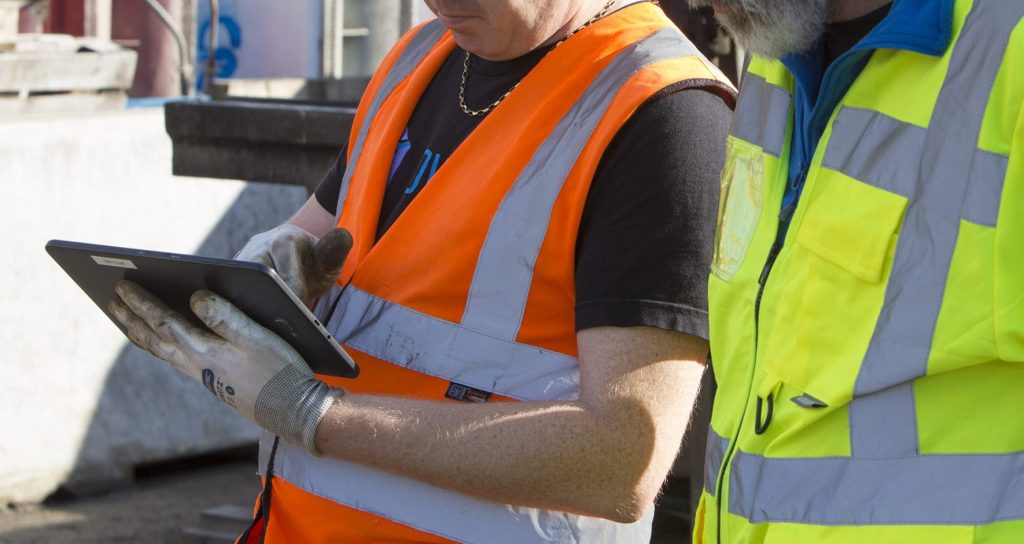
PUWER produces an inspection record, not a certificate — whatever a supplier may call it. What the law requires, and what an HSE inspector or your insurer will ask to see, is a dated record made by a competent person showing what was inspected, what was found, and what was done about it. If you have been issued something described as a “PUWER certificate” with no supporting inspection record behind it, you are not covered. That is what we issue, and it is why our reports name the inspector, the date and the findings on the face of the document.
What Our PUWER Inspection Service Includes
- Risk-based PUWER inspection of work equipment under Regulation 6
- Statutory thorough examination and test of power presses under Regulation 32
- On-site survey to establish which regime each asset falls under — PUWER, LOLER, PSSR or COSHH
- PUWER risk assessment covering suitability, guarding, controls, isolation and stability
- Written inspection records naming the competent person, the date, the findings and the actions
- Defects graded by urgency, with immediate notification of anything presenting a danger
- Engineering recommendations and remedial quotations from our own workshops, not a third party
- Records uploaded to CoreRFID, our online compliance portal, with automated renewal reminders
- Hired, second-hand and employee-owned equipment brought properly into scope
- Combined visits with LOLER, PSSR, LEV, PAT and HAVS work to cut site disruption and cost
Work Equipment We Inspect Under PUWER
PUWER covers any machinery, appliance, apparatus, tool or installation for use at work — which in practice means most of what is on your site. Typical scope includes:
- Fixed machinery — presses, press brakes, guillotines, lathes, milling machines, saws
- Production plant — conveyors, mixers, compactors, balers, crushers and packing lines
- Mobile work equipment under Part III — dumpers, rollers, telehandlers and site plant
- Materials handling — hand pallet trucks, axle stands, jacks and workshop equipment
- Fixed installations — escalators, moving walkways, roller shutter doors, dock levellers
- Hand tools, power tools and general access equipment
Our PUWER Inspection Process
- Survey and asset register — we attend site, identify every item of work equipment, record serial numbers and photographs, and establish which regime each asset falls under.
- Risk-based interval setting — an inspection interval is agreed per asset from equipment type, duty cycle and operating environment. Power presses are diarised to their statutory six or twelve-month cycle.
- Inspection on site — a competent person examines condition, guarding, controls, isolation, emergency stops, warning devices and stability, with functional testing where the risk warrants it.
- Inspection record and reporting — a written record is issued digitally, naming the competent person and the date, setting out what was inspected and what was found, with defects graded by urgency.
- Remedial action — anything presenting a danger is notified immediately and the asset taken out of service. Our own engineers quote and carry out the repair rather than passing it to a third party, so the asset returns to work faster.
- Ongoing compliance management — records sit in CoreRFID with automated reminders before each inspection falls due, and intervals are adjusted as the inspection history builds.
Related Services
LOLER Thorough Examination & Certification
LOLER thorough examination and certification services ensure lifting equipment and accessories remain safe, compliant and legally operable under the Lifting Operations and Lifting Equipment Regulations 1998.
Work Equipment Inspection Ireland (S.I. 299)
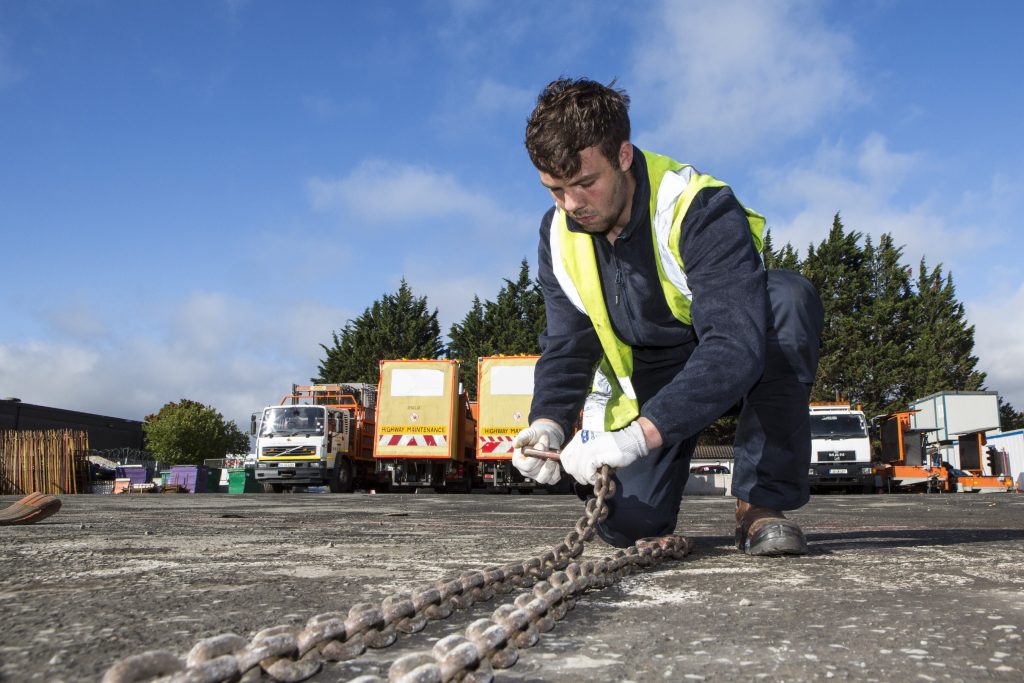
Work equipment inspections carried out to the Irish General Application Regulations for fixed and mobile plant operated in the Republic of Ireland.
Pressure Systems Inspection (PSSR)
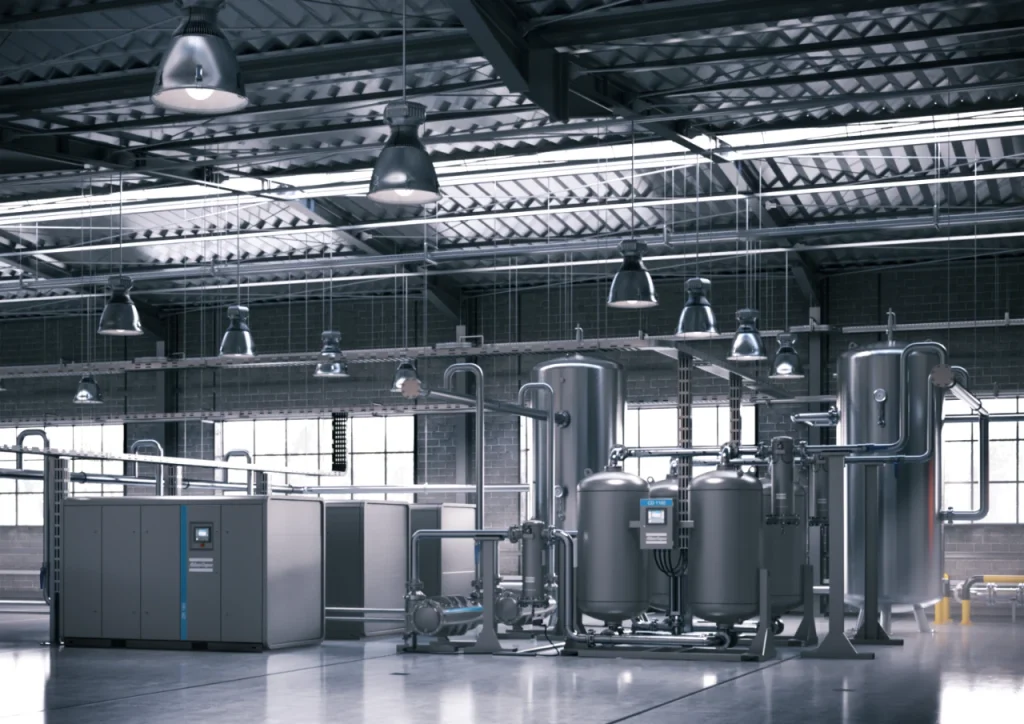
Written scheme examinations of pressure vessels, steam systems and associated pipework — commonly due on the same sites and easily grouped into the same visit.
Frequently Asked Questions
What is a PUWER inspection?
A PUWER inspection is a formal check of work equipment by a competent person, carried out under Regulation 6 of the Provision and Use of Work Equipment Regulations 1998, to confirm the equipment is safe to use and remains so. It covers condition, guarding, controls, isolation, emergency stops and stability, and it produces a written record of what was inspected, what was found and what action is needed. It is not the same as maintenance under Regulation 5, and it is not the same as a pre-use check by the operator.
How often should PUWER inspections be carried out?
PUWER sets no fixed interval for general work equipment. Regulation 6 ties inspection to risk: before first use where safety depends on how the equipment was installed, at suitable intervals where it is exposed to conditions causing deterioration, and again after any exceptional event such as damage, modification or a long period out of use. Interval is set from equipment type, duty cycle and environment. The one exception is the power press working cold metal, which has a statutory cycle of six or twelve months depending on the guarding fitted.
Is there such a thing as a PUWER certificate?
No. PUWER produces an inspection record, not a certificate, and there is no statutory “PUWER certificate” in law however a supplier chooses to label it. What matters is a dated record made by a competent person showing what was inspected, what was found and what was done about it — kept at least until the next inspection is recorded.
What equipment requires a PUWER inspection?
No. PUWER produces an inspection record, not a certificate, and there is no statutory “PUWER certificate” in law however a supplier chooses to label it. What matters is a dated record made by a competent person showing what was inspected, what was found and what was done about it — kept at least until the next inspection is recorded.
Is PUWER the same as LOLER?
No. PUWER covers general work equipment safety — suitability, maintenance, inspection, guarding and training. LOLER adds specific duties wherever equipment lifts a load, including thorough examination at six or twelve-monthly intervals and the planning and supervision of lifting operations. Where equipment lifts, both apply: the lifting function under LOLER, everything else under PUWER. Most industrial sites are subject to both at once.
What happens if equipment fails a PUWER inspection?
The inspector records the defect and grades it by urgency. Where a defect presents a danger you are notified immediately and advised to take the equipment out of service — and for power presses, where a defect is or could become a danger, a copy of the report goes to the enforcing authority. Because WH Scott also carries out repair, overhaul and maintenance, most remedial work can be quoted and completed by our own engineers rather than passed to a third party.
Get in Touch
Tell Us About Your Project
Whether you need a single piece of equipment or a fully engineered lifting system, our specialists can help. Tell us your load, environment and compliance requirements — we’ll do the rest.