
WH SCOTT
Statutory Inspections and Thorough Examinations
LOLER, PUWER, PSSR, COSHH and S.I. 299 examinations carried out on your site, with certificates issued before we leave — one programme covering every asset you hold, across Great Britain, Northern Ireland and Ireland.
Which Statutory Inspections Does Your Site Need?
A statutory inspection is an examination the law requires you to have carried out, by a competent person, at a set frequency. It is not a maintenance visit, and it cannot be signed off by whoever services the equipment. Most industrial sites are covered by more than one regime.
WH Scott completes over 400,000 statutory examinations a year, so one programme can cover lifting equipment, work equipment, pressure systems and extraction on a single visit. We work across Great Britain and Ireland, hold ISO 9001, 14001, 45001 and 27001 certification, and are a member of the Lifting Equipment Engineers Association.
The standards we cover
- LOLER thorough examination — lifting equipment and accessories used at work in Great Britain and Northern Ireland.
- Lifting equipment inspection in Ireland — thorough examination and testing under S.I. No. 299 of 2007.
- PUWER inspection — work equipment whose safety depends on installation, or that is exposed to deterioration.
- Pressure systems inspection (PSSR) — vessels, pipework and protective devices examined under a written scheme.
- LEV testing and thorough examination — local exhaust ventilation under COSHH Regulation 9.
What’s Included
- On-site examination by qualified engineers, scheduled around your shift patterns rather than ours.
- A written report of thorough examination grading each defect and the timescale for action.
- Digital certificates issued on site and held in an online asset register, filterable by site, asset class or due date.
- Clear marking of equipment withdrawn from service, with quarantine and re-certification advice.
- A rolling schedule with due-date reporting, so nothing falls out of certification.
How the Programme Works
We start by verifying your asset register and confirming what falls under which regime, then set intervals from the regulations, the manufacturer’s guidance and how hard the equipment actually works — or from a written scheme of examination. Assets are examined in their working environment, with function tests and load verification where required. Defects are reported the same day, and any remedial work can be carried out under servicing, maintenance and breakdown support and re-certify once complete.
Inspection Intervals in the UK and Ireland
In Great Britain and Northern Ireland, LOLER 1998 requires lifting accessories and any equipment used to lift people to be thoroughly examined at least every six months, and other lifting equipment at least every twelve — unless a written scheme of examination drawn up by a competent person sets different intervals. An examination is also required after installation and after exceptional circumstances such as damage or major modification. PUWER inspections are risk-based rather than fixed-interval, with records kept until the next one, as set out in HSE guidance on thorough examination of lifting equipment.
In the Republic of Ireland the duties sit under S.I. No. 299 of 2007. Regulation 52 and Schedule 1 set the periodicity directly: six months for lifting accessories, hoists and lifts, MEWPs, suspended access equipment and patient hoists; twelve months for cranes, winches, forklifts and telehandlers not used to lift people. Regulation 30 covers other work equipment, and those records must be kept for five years and produced to an HSA inspector on request — longer than PUWER requires. Our Irish reports follow Schedule 1, Part E, the format used by the HSA’s GA1 Report of Thorough Examination and its guidance on the use of work equipment.
Related Services
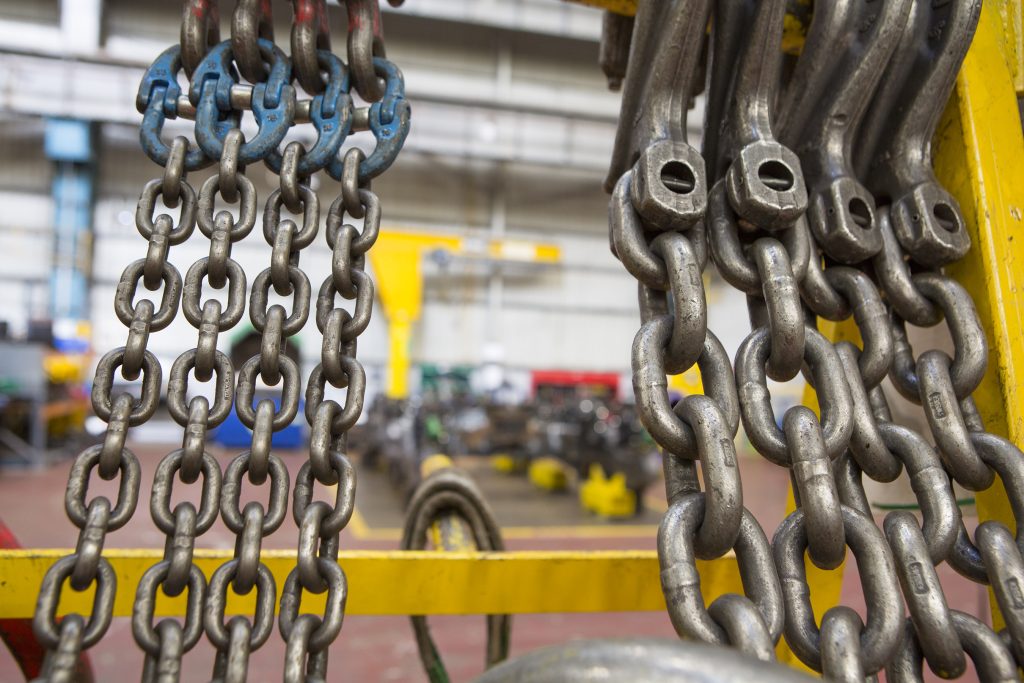
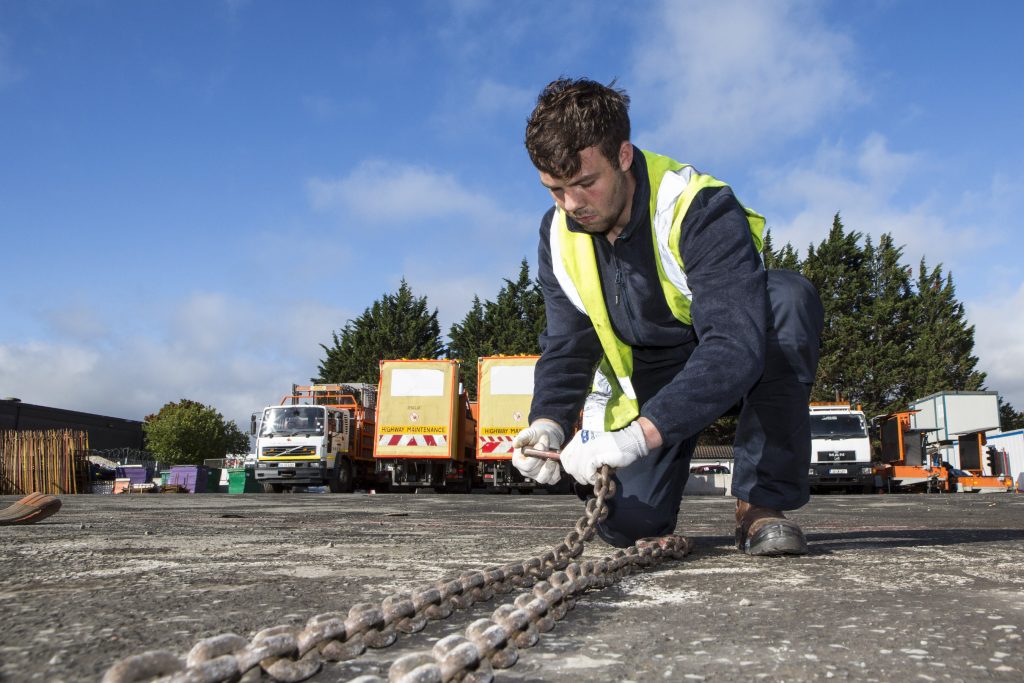
Lifting Equipment Servicing, Maintenance & Breakdown Support
Lifting equipment servicing, maintenance and breakdown support ensures the safe, compliant, and efficient operation of cranes, hoists, and associated lifting systems.
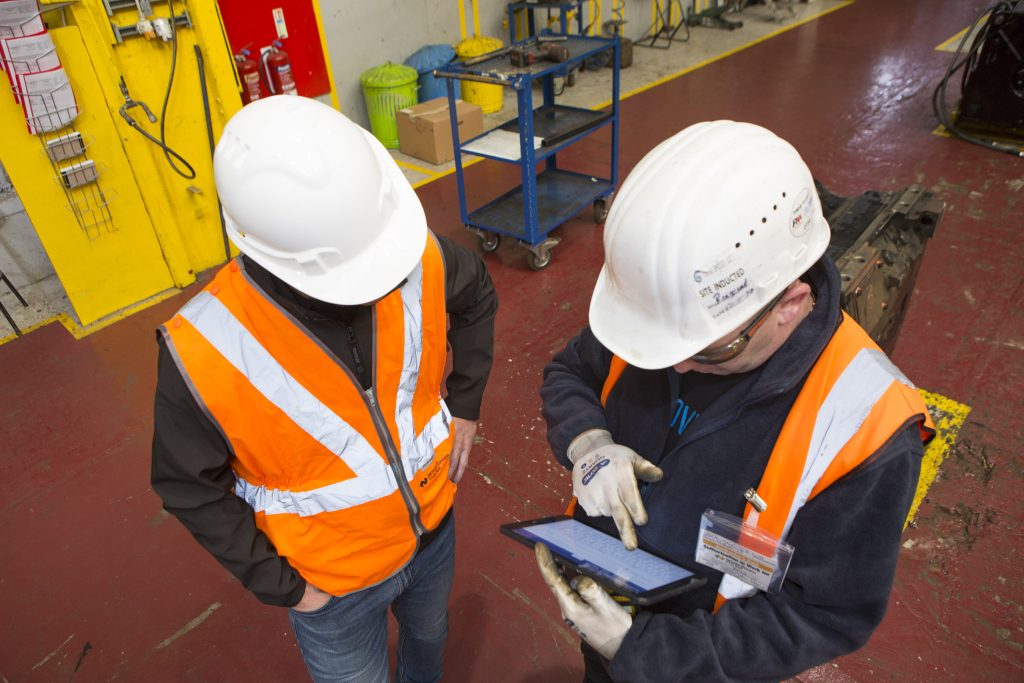
Lifting Equipment Examination, Certification & Digital Reporting
Real-time certification and cloud-based reporting enable instant access to inspection data, reducing administrative burden and improving audit readiness.
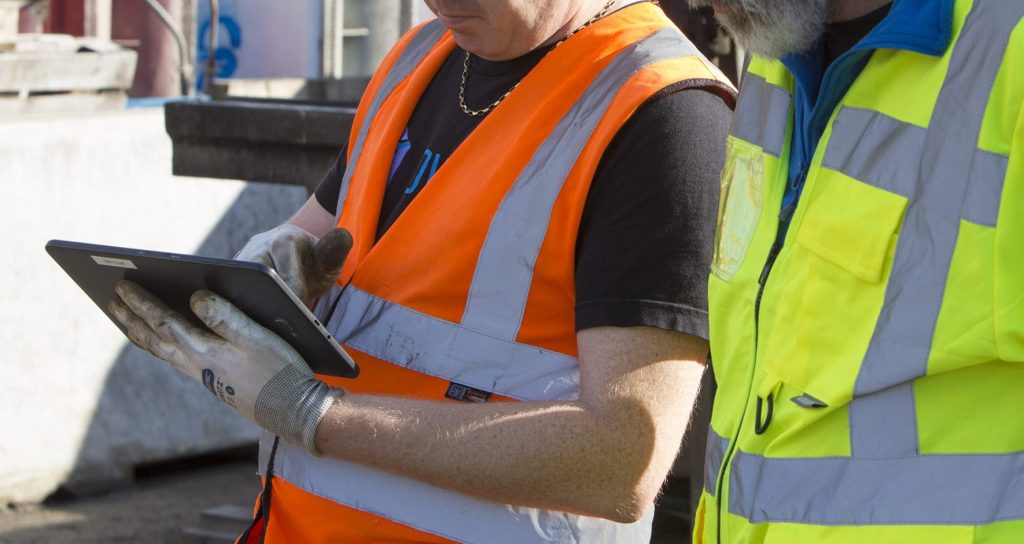
LOLER Thorough Examination & Certification (Lifting Equipment & Accessories)
LOLER thorough examination and certification services ensure lifting equipment and accessories remain safe, compliant and legally operable under the Lifting Operations and Lifting Equipment Regulations 1998.
Frequently Asked Questions
How often are statutory inspections required?
Inspection frequency depends on equipment type and usage, but LOLER typically requires inspections every 6 or 12 months, or in accordance with a written scheme of examination.
What is included in a statutory inspection report?
Reports include equipment identification, inspection findings, defects, risk classification, and certification of compliance or non-compliance under LOLER / SI 299.
What happens if equipment fails inspection?
Equipment deemed unsafe will be clearly identified in the report, and recommendations will be provided for repair, replacement, or removal from service.
Can inspections be carried out on-site?
Yes, inspections are conducted on-site to minimise operational disruption and ensure equipment is assessed in its working environment.
Get in Touch
Tell Us About Your Project
Whether you need a single piece of equipment or a fully engineered lifting system, our specialists can help. Tell us your load, environment and compliance requirements — we’ll do the rest.