
WH SCOTT
Crane & Lifting Training for Operators and Slinger/Signallers
Practical, site-specific training for the people who operate your cranes and rig your loads — delivered at your premises, on your own equipment, in groups of no more than four.
Training Built Around Your Cranes and Your Lifts
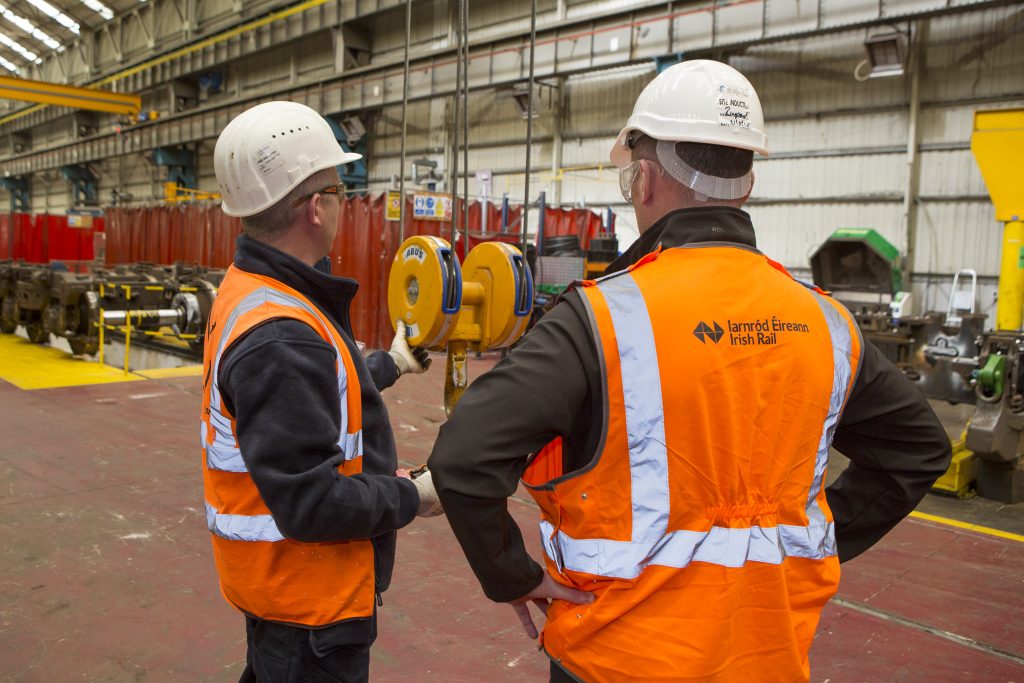
Most lifting incidents come down to how equipment is used, not how it was built. WH Scott crane and lifting training gives operators, slingers and signallers the practical competence to work safely with the cranes and lifting accessories already installed in your workshop, factory or warehouse.
Courses are delivered at your site by the same lifting engineers who examine and maintain equipment across Great Britain, Northern Ireland and the Republic of Ireland, so delegates learn on the equipment they use every day rather than a generic training rig. Sessions are capped at four delegates, and content is shaped by a short pre-training assessment of your equipment and your team’s experience.
Training is certificated in-house by WH Scott on successful completion. It is designed to evidence competence on the equipment your people actually use, rather than to replace a card-based construction scheme.
What the Training Covers
Every programme is tailored to the site, but a typical course covers:
Crane operation
- Pre-use checks, controls and safe operating technique on overhead and gantry cranes
- Safe working load, duty ratings and the limits of the installed equipment
- Load handling, travel, positioning and safe parking
- Recognising faults and knowing when to stop, isolate and report
Slinging and signalling
- Selecting, inspecting and applying slings, shackles and lifting accessories
- Attaching, balancing and detaching loads, including centre of gravity and sling angles
- Standard hand signals and clear communication between slinger, signaller and operator
- PPE, exclusion zones and safe working practice around suspended loads
Each course also covers the relevant duties under UK or Irish lifting legislation, and can include load distribution and vehicle loading where your operation requires it.
Who It’s For
The training suits manufacturing, engineering, warehousing and maintenance teams working with overhead travelling and gantry cranes, hoists and lifting accessories. It is equally suited to new starters and to experienced operators who have never been formally trained, or who are due a refresher. Where the lifting operation itself is the challenge, our engineers also provide lifting consultation.
How Training Is Delivered
- Pre-training assessment — we review your cranes, accessories, site conditions and the experience of the delegates.
- Theory — lifting duties and legislation, equipment limits, slinging principles and safe systems of work.
- Practical — supervised, hands-on crane operation and slinging on your own equipment.
- Assessment — each delegate is assessed on both understanding and practical competence.
- Certification — a WH Scott in-house training certificate, valid for three years.
Training, Competence and the Law in the UK and Ireland
In Great Britain and Northern Ireland, PUWER 1998 requires employers to ensure everyone who uses work equipment has received adequate training for health and safety purposes. LOLER 1998 requires every lifting operation to be properly planned by a competent person, appropriately supervised and carried out safely. BS 7121-1:2016 is the recognised code of practice for the safe use of cranes.
In the Republic of Ireland the equivalent duties sit in the Safety, Health and Welfare at Work (General Application) Regulations 2007, S.I. No. 299 of 2007. Regulation 29 covers information and instruction on work equipment, and Regulation 42 requires lifting operations to be properly planned and appropriately supervised by people with adequate practical and theoretical knowledge. The duty to provide instruction, training and supervision itself sits in section 10 of the Safety, Health and Welfare at Work Act 2005.
Training addresses the competence half of these duties. The equipment half is covered by statutory LOLER thorough examination in the UK and by lifting equipment inspection in Ireland under S.I. 299.
Related Services
LOLER Thorough Examination & Certification
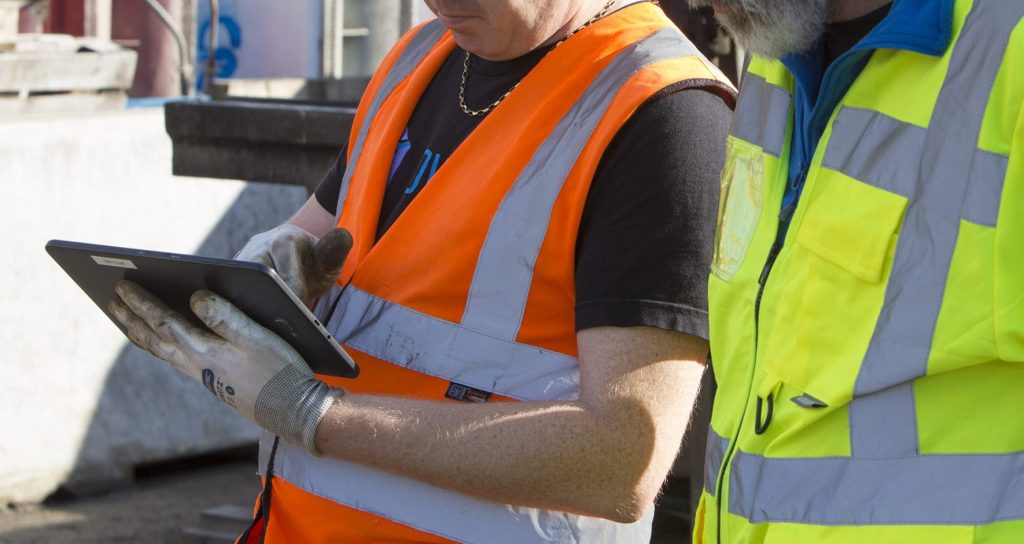
LOLER thorough examination and certification services ensure lifting equipment and accessories remain safe, compliant and legally operable under the Lifting Operations and Lifting Equipment Regulations 1998.
Frequently Asked Questions
Is this crane training accredited?
No. This is non-accredited training delivered and certificated in-house by WH Scott, designed to evidence competence on your own equipment and support your duty to provide adequate training. If you also need a card-based scheme for construction site access, tell us at enquiry stage.
How long is the certification valid?
WH Scott in-house certificates are issued for three years. Refresher training should be brought forward if equipment, duties or working methods change, or if performance gives cause for concern.
Which cranes and equipment are covered?
The training focuses on overhead travelling and gantry cranes and the lifting accessories used with them. Tell us what you operate and we will confirm the scope at the pre-training assessment.
How many people can attend?
A maximum of four delegates per session, so each person gets meaningful time on the controls and a proper practical assessment.
Get in Touch
Tell Us About Your Project
Whether you need a single piece of equipment or a fully engineered lifting system, our specialists can help. Tell us your load, environment and compliance requirements — we’ll do the rest.