
WH Scott
Loose Tackle & Lifting Accessory LOLER Inspections
Slings, shackles, hooks and chain blocks are the easiest lifting assets to lose track of. Our engineers examine, certify and tag your loose tackle on site, repair or replace what fails, and leave you with a register that stands up at audit.
Thorough Examination for Everything Below the Hook
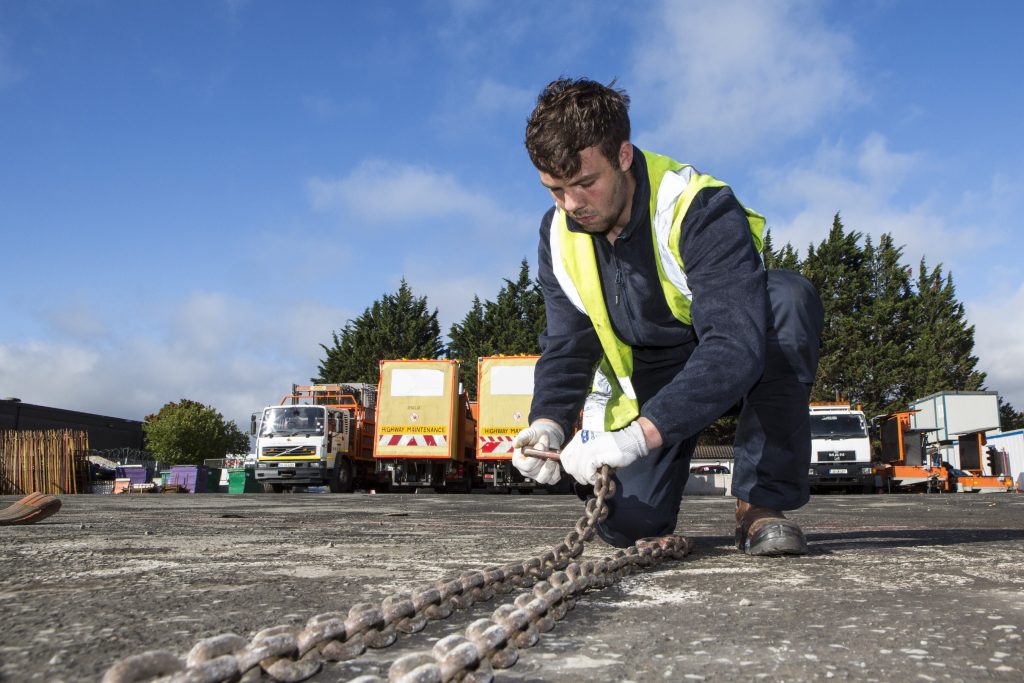
Loose tackle is the working term for the lifting accessories that connect a load to a crane or hoist — slings, shackles, eyebolts, hooks and beams — together with the manual lifting gear used alongside them. It moves between jobs, gets borrowed, and is usually the first thing an inspector asks to see records for. Under LOLER 1998 in Great Britain, and under the General Application Regulations 2007 in Ireland, these items must be thoroughly examined by a competent person at least every six months.
WH Scott carries out that examination on site, certifies what passes, withdraws what doesn’t, and repairs or replaces failed items so the job keeps moving. We work across manufacturing, construction, ports and marine, rail, utilities, defence and healthcare.
What’s Included
Every visit ends with documentation you can put in front of an inspector.
- Thorough examination of every accessory on site, with immediate verbal notice of any dangerous defect
- A written scheme of examination where a fixed six-month interval doesn’t suit how the equipment is used
- Reports of thorough examination issued digitally and in hard copy, listing defects and the action required
- Asset marking and a maintained plant register, so items can’t quietly drop off the schedule
- Repair, proof load testing or like-for-like replacement of anything that fails
- Colour tagging for your own interim checks between statutory examinations — good practice, not a legal requirement
What We Inspect
Everything below the hook, plus the manual lifting gear alongside it:
- Chain slings, wire rope slings, webbing slings and roundslings
- Shackles, hooks, eyebolts, swivels, master links and lifting clamps
- Spreader beams, lifting frames, and magnetic and vacuum lifting devices
- Chain blocks, lever hoists, tirfors, winches, pallet trucks and screw jacks
- Load cells, weighing equipment, hydraulic cylinders and forklift attachments
Our engineers also examine cranes, hoists, runway beams and patient hoists, so one visit can cover the whole site — see LOLER thorough examination and certification.
How It Works
- Survey and register. We identify and mark every accessory, then build or reconcile your plant register so it matches what is physically on site.
- Examination. A competent engineer examines each item against the manufacturer’s criteria and the relevant product standard — BS EN 818-4 for grade 8 chain slings, BS EN 13414 for wire rope slings, BS EN 1492 for webbing slings and roundslings.
- Reporting. You receive the report of thorough examination for each item, digitally and on paper, with a priced schedule of remedial work. Anything dangerous is withdrawn from service on the spot.
- Repair, replace, recall. Failed items are repaired or replaced, and we tell you when the next examination falls due.
LOLER and S.I. 299 Compliance
United Kingdom. Regulation 9 of LOLER 1998 requires lifting accessories to be thoroughly examined at least every six months, or at the intervals in a written examination scheme, and reports must contain the information listed in Schedule 1. A defect involving an existing or imminent risk of serious personal injury must be reported to you immediately and copied to the enforcing authority (HSE guidance). Northern Ireland applies the same duties under its 1999 regulations.
Ireland. The duty sits in Part 2, Chapter 2 of the General Application Regulations 2007 (S.I. No. 299 of 2007). Schedule 1 sets the same six-month interval for lifting accessories — chains, ropes, rings, hooks, shackles, clamps, swivels and spreader beams — with results recorded on the HSA’s GA1 report of thorough examination. Our Irish depots work to those requirements directly: see lifting equipment inspection in Ireland.
WH Scott is a LEEA member, certified to ISO 9001, ISO 14001, ISO 45001 and ISO 27001. Full details: certifications and accreditations.
Related Services
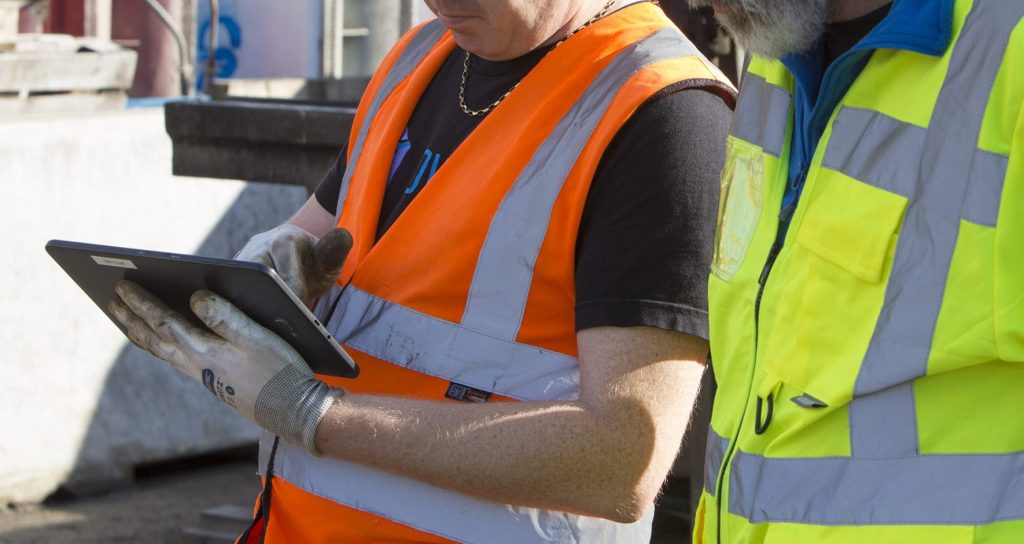
LOLER Thorough Examination & Certification (Lifting Equipment & Accessories)
LOLER thorough examination and certification services ensure lifting equipment and accessories remain safe, compliant and legally operable under the Lifting Operations and Lifting Equipment Regulations 1998.
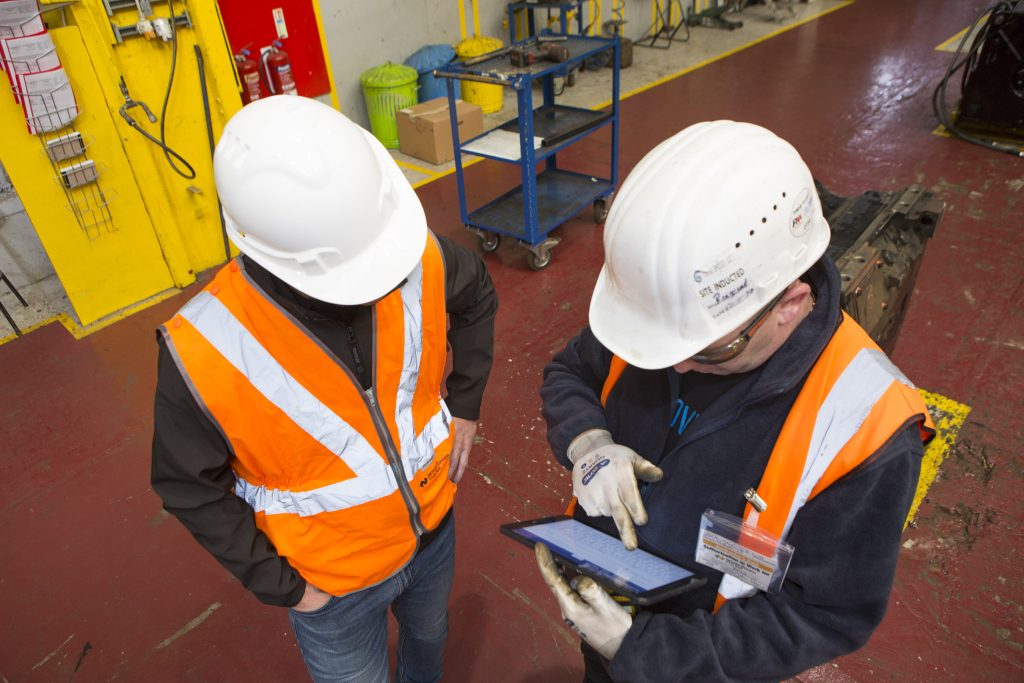
Lifting Equipment Examination, Certification & Digital Reporting
Lifting equipment examination, certification and digital reporting services designed to ensure compliance, traceability, and operational safety across complex asset fleets. Real-time certification and cloud-based reporting enable instant access to inspection data, reducing administrative burden and improving audit readiness.
Statutory Lifting Equipment Inspections
Statutory lifting equipment inspections ensure compliance with LOLER and SI 299 regulations while maintaining the safety, reliability, and operational readiness of lifting assets. Delivered on-site by qualified engineers, these inspections identify defects, assess risk, and provide certification required for legal operation across the UK and Ireland.
Frequently Asked Questions
How often does loose tackle need to be inspected?
At least every six months in both the UK and Ireland, or at the intervals set in a written examination scheme. That is separate from the operator’s pre-use visual check.
What happens if an accessory fails the examination?
It is withdrawn from service and marked so it can’t be used again by mistake. Dangerous defects are reported to you there and then, with a priced option to repair or replace.
Is certification in Ireland different from the UK?
Yes. Irish examinations are carried out under S.I. No. 299 of 2007 and recorded on the HSA’s GA1 form rather than a UK LOLER report.
Can you manage our inspection records for us?
Yes. We maintain a plant register with unique asset IDs, hold your certificates digitally and give notice before the next examination falls due.
Get in Touch
Tell Us About Your Project
Whether you need a single piece of equipment or a fully engineered lifting system, our specialists can help. Tell us your load, environment and compliance requirements — we’ll do the rest.