
WH SCOTT
Preventative Crane Maintenance
Planned servicing and inspection for overhead cranes, gantry cranes and hoists — scheduled around your production, carried out by our own engineers, and folded into the same visit as your statutory examinations. Any manufacturer, across the UK and Ireland.
Why Planned Maintenance Matters
Cranes rarely fail at a convenient moment. They fail mid-shift, under load, with a production line waiting behind them — and the repair is usually the smallest part of the bill. The cost is the stopped line, the missed dispatch, and hiring an alternative lifting method while the crane sits idle.
Preventative crane maintenance moves that work into a slot you choose. A planned visit finds the worn brake lining, the overheating contactor or the rope approaching its discard criteria while the crane is still running — so the remedial work gets quoted, parted and booked into a shutdown instead of scrambled at 6am.
It also keeps two separate legal duties in order at the same time. Maintenance is what keeps a crane in efficient working order under PUWER. Thorough examination is the statutory check under LOLER that confirms it is safe to use. They are different duties, carried out by different people, and planning them together is what stops one being done while the other quietly lapses.
We maintain cranes irrespective of the original manufacturer, on equipment that is new, second-hand or leased. Remedial work is carried out by our own engineers rather than subcontracted — including fabrication of replacement runways, beams and support steel, which is why structural repairs do not have to wait on a third-party lead time.
![[Describe the photo you choose — for SEO]](https://whscottlifting.com/wp-content/uploads/2026/05/WHS-Gantry-Crane_V3.png)
What A Preventative Maintenance Visit Covers
Mechanical
Electrical and control
- Brake adjustment and testing, with lining and disc wear measured
- Gearboxes, couplings, drive shafts and oil levels
- Wheels, buffers, end carriages and rail alignment
- Lubrication of ropes, chains and moving components
- Functional testing of controls, limit switches and safety devices
- Control panels, festoon systems and conductor systems
- Electrical diagnostics and fault finding
- Thermal imaging of electrical components, where the plan includes it
Structural and load path
Reporting
- Crane bridge, girders, runways, gantry beams and support steelwork
- Welds and bolted connections, checked for fatigue cracking and distortion
- Hoist units, crab units, hooks and hook blocks
- Wire rope and load chain assessed against discard criteria, with load testing where the plan or the regulations call for it
- A written report of defects, observations and comments after every visit
- Defects prioritised so you can separate “stop now” from “plan for the shutdown”
- A quotation for any remedial work, priced before anything is booked
- Where examinations are included, certificates are generated on a tablet as the engineer completes the inspection and published to your online reporting dashboard
Maintenance Plans: Bronze, Silver And Gold
Three levels of cover, each building on the one before it.
|
Bronze – every six months |
Silver – every six months, extended |
Gold – quarterly |
|
Basic safety inspection |
Everything in Bronze, plus: |
Everything in Silver, plus: |
|
Lubrication of critical components |
Comprehensive structural inspection |
Advanced diagnostics and vibration analysis |
|
Functional testing of controls and limit switches |
Detailed electrical diagnostics |
Oil analysis, where applicable |
|
Visual checks on rope and hooks |
Regulatory load testing |
Customised maintenance schedules |
|
Brake system testing and oil level checks |
Wear analysis on key parts |
24/7 emergency support |
|
Thermal imaging of electrical components |
Minor adjustments and part replacement |
Reduced rates on major repairs |
|
Written service report recommendations |
Priority repair scheduling |
Discounted crane and slinger signaller operator training |
|
Discounted NDT services |
Which tier fits depends on how hard the equipment works, what an hour of downtime costs you, and whether statutory testing needs folding into the same attendance. We confirm that at survey rather than guessing from a phone call — and you can compare all three tiers alongside our other lifting services if you want to see how a maintenance contract sits next to overhaul, modernisation and examination work.
How A Maintenance Programme Runs
- Site survey and asset register. We attend site and list every crane, hoist and accessory in scope with its make, capacity, duty and condition — and identify which examination regime each item falls under. Most programmes start here because most asset registers are out of date.
- Plan and schedule. A tier is agreed and a visit calendar built around your production windows, grouping servicing and statutory examination into the same attendance wherever the intervals allow it.
- Service on site. Mechanical, electrical and structural work carried out by our engineers, with functional and load testing where the plan or the regulations require it..
- Report and certification. Defects, observations and comments are recorded on site. Certificates are generated as the engineer completes the inspection and published to your dashboard with images available to download.
- Remedial work. Anything found is quoted and carried out by us — from a part replacement through to overhaul, structural repair or modernisation. We hold a substantial spare parts stock, which is usually what decides whether an obsolete crane can be repaired economically at all.
- Review. Usage, defect history and repair spend are reviewed so intervals and scope can be adjusted, rather than left on the assumption made at the first survey.
Engineers work from the nearest of our 14 offices, depots and laboratories across Ireland and Great Britain, which is what keeps callout response and travel costs sensible on a rolling contract. The support line is staffed 24/365.
Crane Maintenance and Lifting Equipment Compliance
Planned crane maintenance helps keep lifting equipment safe, suitable and in good working order. Under PUWER 1998, work equipment must be properly maintained, while LOLER 1998 requires lifting equipment to undergo thorough examination at appropriate intervals.
WH Scott can combine preventative crane maintenance with LOLER thorough examination, helping identify wear, defects and potential safety issues before they result in unplanned downtime. Find out more about PUWER compliance and LOLER inspections.
Related Services
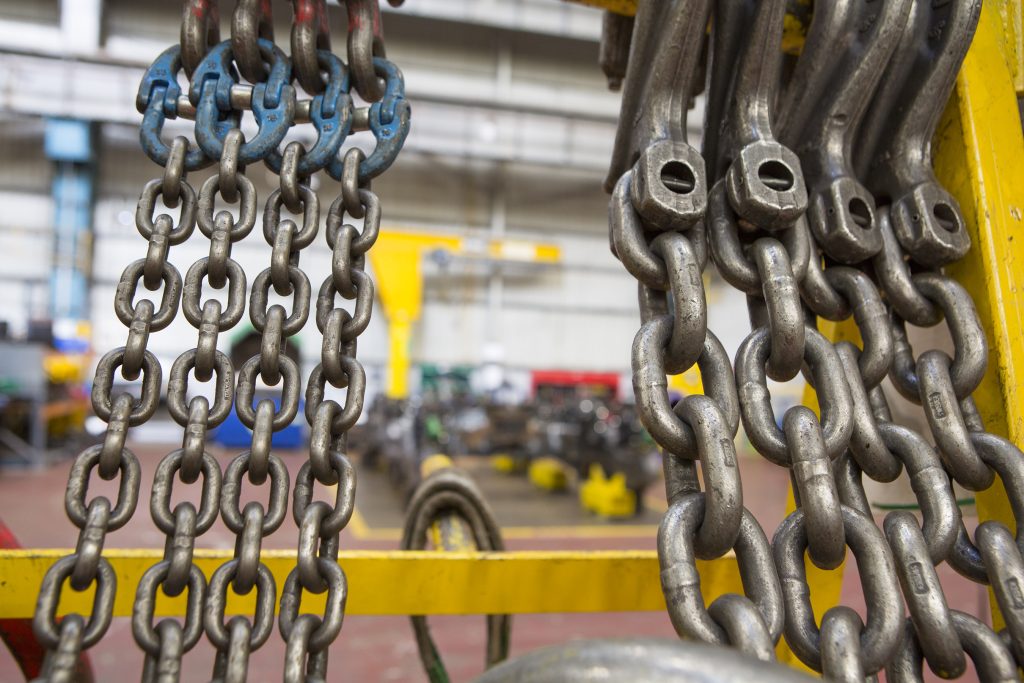
Lifting Equipment Servicing, Maintenance & Breakdown Support
Lifting equipment servicing, maintenance and breakdown support ensures the safe, compliant, and efficient operation of cranes, hoists, and associated lifting systems. Planned maintenance programmes and rapid-response repair services minimise downtime, extend equipment lifespan, and maintain regulatory compliance.
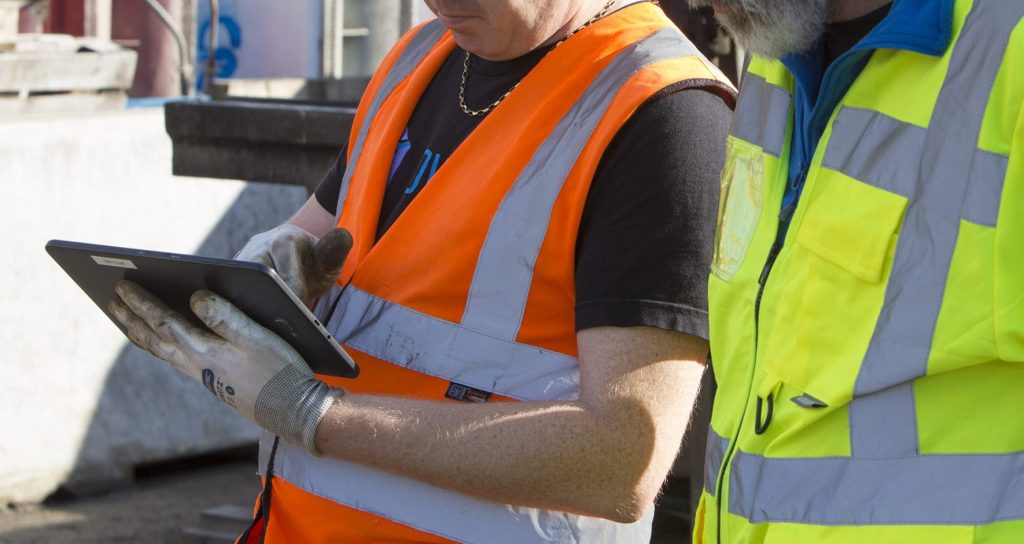
Lifting Equipment Examination, Certification & Digital Reporting
LOLER thorough examination and certification services ensure lifting equipment and accessories remain safe, compliant and legally operable under the Lifting Operations and Lifting Equipment Regulations 1998.
Frequently Asked Questions
How often should an overhead crane be serviced?
Servicing frequency is set by the crane’s duty cycle, its environment and the manufacturer’s recommendations, not by a single legal interval. Our Bronze and Silver plans work on a six-monthly visit and Gold on a quarterly one. Statutory thorough examination is a separate interval — normally at least every 12 months for a crane lifting loads only. The two are usually planned into the same attendance, and we confirm both at survey.
What is the difference between crane maintenance and a LOLER inspection?
Maintenance keeps the crane working: adjustment, lubrication, wear replacement, fault finding. A LOLER thorough examination is a systematic assessment by a competent person to confirm the equipment is safe to use, recorded in a written report that must contain the information set out in LOLER Schedule 1. Maintenance prevents the defect; the examination is the independent check that nothing has been missed. Both are legally required, under different regulations.
Does LOLER require crane maintenance?
No — the duty to maintain work equipment comes from regulation 5 of PUWER 1998, which requires equipment to be kept in efficient working order and in good repair. LOLER governs thorough examination and reporting. This trips up a lot of duty holders, because a valid examination certificate is often assumed to demonstrate compliance on its own. It does not.
Can the same company service and examine our cranes?
Yes, and most sites prefer it because it means one contractor, one visit and one point of accountability. HSE guidance is clear that the competent person carrying out the examination must be sufficiently independent and impartial to make objective decisions, with genuine authority to quarantine defective equipment. In practice that means the person examining the crane should not be the person who maintained it. We set out how that separation works on your contract before you sign it.
What happens if a defect is found?
Anything presenting an immediate danger is reported straight away and the equipment may need to be taken out of service until it is put right. Everything else is written up with a priority against it, so you can tell what has to be fixed now from what can wait for a planned shutdown. You get a quotation for the remedial work before anything is booked, and it is carried out by our own engineers.
Will you maintain cranes you did not supply?
Yes. We work on all crane makes, irrespective of the original manufacturer, and on existing, second-hand, leased and new equipment alike. The practical constraint on older or obsolete cranes is parts availability rather than willingness — we hold a substantial spare parts stock, and where something cannot be sourced we can usually fabricate it.
Get in Touch
Tell Us About Your Project
Whether you need a single piece of equipment or a fully engineered lifting system, our specialists can help. Tell us your load, environment and compliance requirements — we’ll do the rest.