
WH Scott
CE & UKCA Marking Services for Lifting Equipment
Conformity assessment, testing and technical file support that gets lifting equipment lawfully onto the market in Great Britain, Ireland, the EU and Northern Ireland.
Get the marking right before the equipment moves
CE and UKCA marking decides whether lifting equipment can lawfully be sold, imported or put into service. Get it wrong and the product is held at customs, refused at the gate, or challenged in an audit.
Three positions now sit side by side: CE or UKCA in Great Britain, CE in Ireland and the wider EU, and CE — or CE and UKNI — in Northern Ireland. We work to all three, from depots on both sides of the border.
Our engineers take it end to end, from classification through to the finished technical file. For the EU market we can also act as your authorised representative.
The result is an evidence pack you can stand behind — whether you are a manufacturer, an importer, or an end user whose modifications have made you the manufacturer in law.
What the service covers
- Conformity assessment, gap analysis and risk assessment against the applicable regulations and standards
- Design verification, proof load testing and documented test evidence
- Technical file compilation for audit and market surveillance, with Declaration of Conformity and marking support
- Re-certification following substantial modification, repair or refurbishment
- Referral to an approved or notified body where third-party assessment applies
We assess bespoke below-the-hook equipment, gantries, jib cranes, davits and runway systems, hoists, winches and lifting accessories, partly completed machinery, and imported equipment entering the GB, Irish or Northern Irish market. Where we designed and fabricated the item ourselves, assessment runs alongside the build; where weld or material evidence is needed, our group laboratory Metlab provides non-destructive testing and weld procedure certification.
How it works
- Scope and classify. Which regulations and marking regime apply, and whether the item is machinery, a lifting accessory or partly completed machinery.
- Gap analysis. Drawings, calculations, test records and instructions reviewed against the essential health and safety requirements.
- Engineering assessment. Risk assessment, design verification and supporting calculations to the relevant standards.
- Verification and testing. Proof load testing and functional checks, with results recorded as evidence.
- Documentation and marking. Technical file compiled, Declaration of Conformity supported, marking and user instructions confirmed.
Related Services
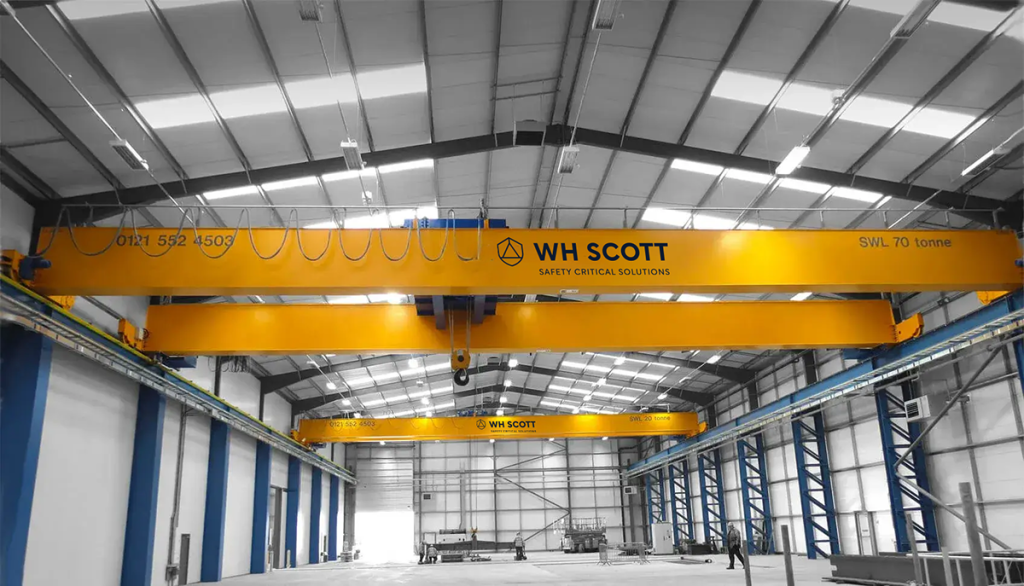
Lifting Services
Inspection, testing, repair and supply from depots across the UK and Ireland.
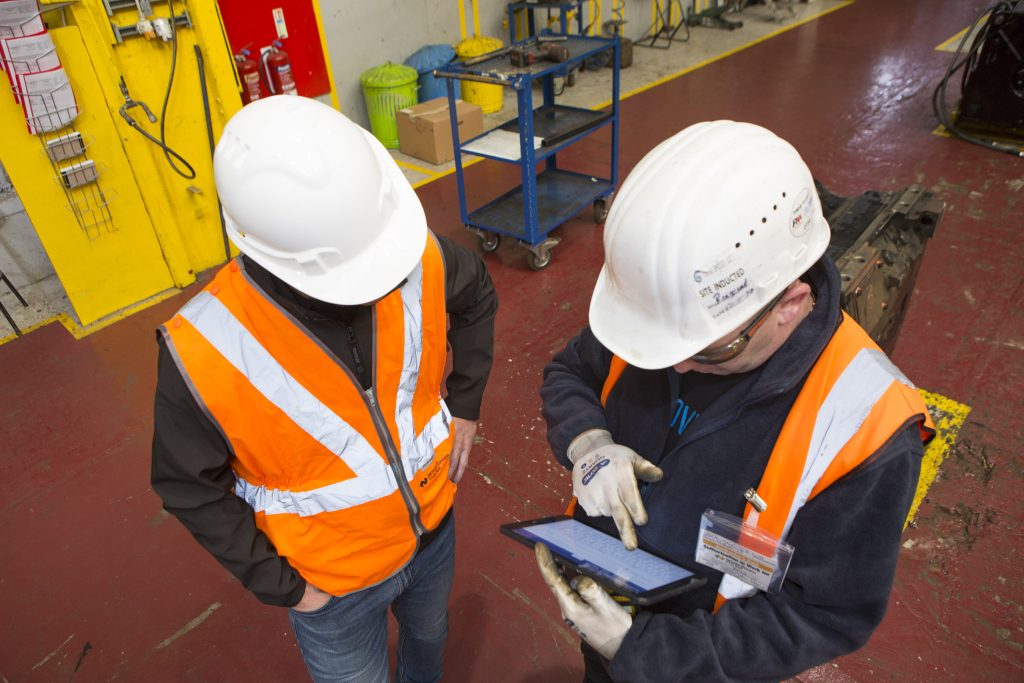
Inspection Services
LOLER and PUWER thorough examination keeping equipment safe and compliant in service.
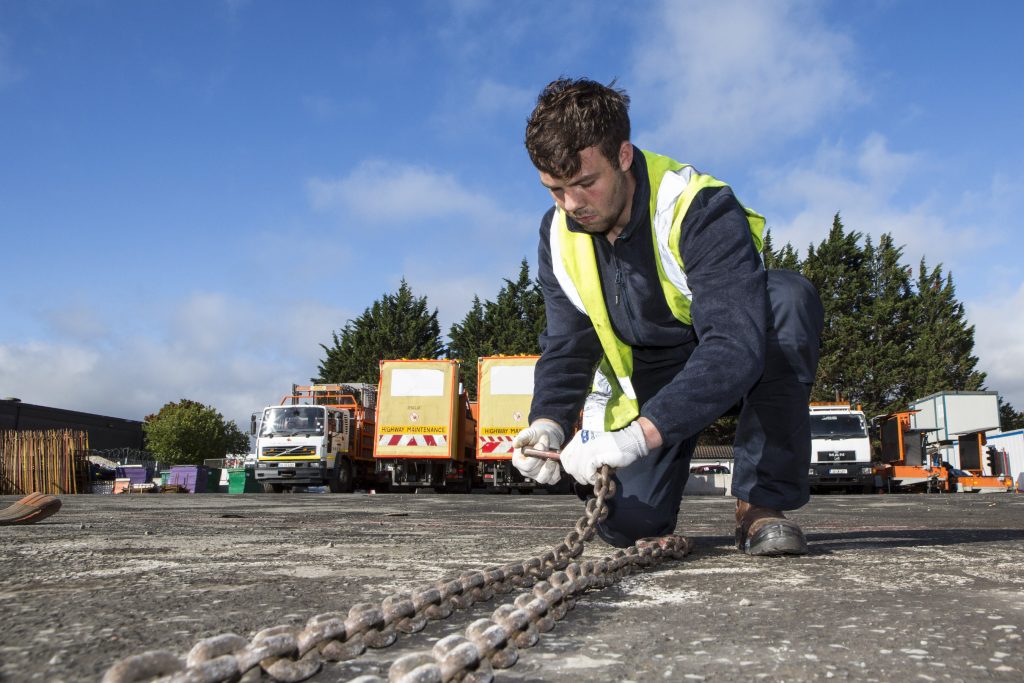
Engineering Inspection Services
Independent engineering inspection for insurers, auditors and statutory compliance duties.
Frequently Asked Questions
Do I need CE or UKCA marking in Great Britain?
Either is accepted for machinery, and no end date is currently set on CE recognition. Northern Ireland needs CE, or CE and UKNI where a UK approved body carried out the assessment. Ireland and the rest of the EU require CE only.
What goes into a technical file for lifting equipment?
Enough evidence to show the equipment meets the essential health and safety requirements: general arrangement drawings, design calculations, the risk assessment and standards applied, component certificates and material traceability, test records, user instructions, and the signed Declaration of Conformity.
Does modification or refurbishment need re-certification?
Like-for-like repair usually does not. A substantial modification — one that introduces a new hazard, increases an existing risk, or changes how the equipment is controlled or used — can make the equipment new in law, putting a manufacturer’s duties on whoever did the work. We assess this before a refurbishment or control upgrade begins.
How is marking different from a thorough examination?
Marking is a one-off duty on whoever places the equipment on the market. Keeping it safe in service is a separate, continuing duty on the employer — LOLER 1998 and PUWER 1998 in the UK, and the Safety, Health and Welfare at Work (General Application) Regulations 2007 (S.I. No. 299 of 2007) in Ireland — discharged through periodic thorough examination.
Lifting Solutions
Part of a complete lifting range
This is one of the complete lifting solutions delivered by WH Scott across the UK and Ireland — from radio remotes, hoists and crane components to fully bespoke crane systems. Explore the full range to find the right fit for your operation.