
WH SCOTT
Patient Hoist Inspections
LOLER thorough examination of patient hoists, stand aids, bath lifts and slings — across Ireland, Northern Ireland and Great Britain.
LOLER Inspections for Patient Hoists, Stand Aids and Slings
A patient hoist lifts a person, so the consequence of a failure is severe — and the law reflects that. Any hoist, stand aid, bath lift or sling used by staff at work must be thoroughly examined by a competent person at least every six months.
WH Scott has been examining safety-critical lifting equipment since 1897. Our directly employed engineers carry out LOLER and SI 299 thorough examinations of patient handling equipment for care homes, hospitals, hospices, supported living schemes and community equipment stores across Ireland, Northern Ireland and Great Britain — and issue the report before leaving site.
The result is an audit-ready record of every hoist and sling you own: what was examined, what was found, what needs doing and when the next examination falls due — all in one portal your team, your inspector and your insurer can see.
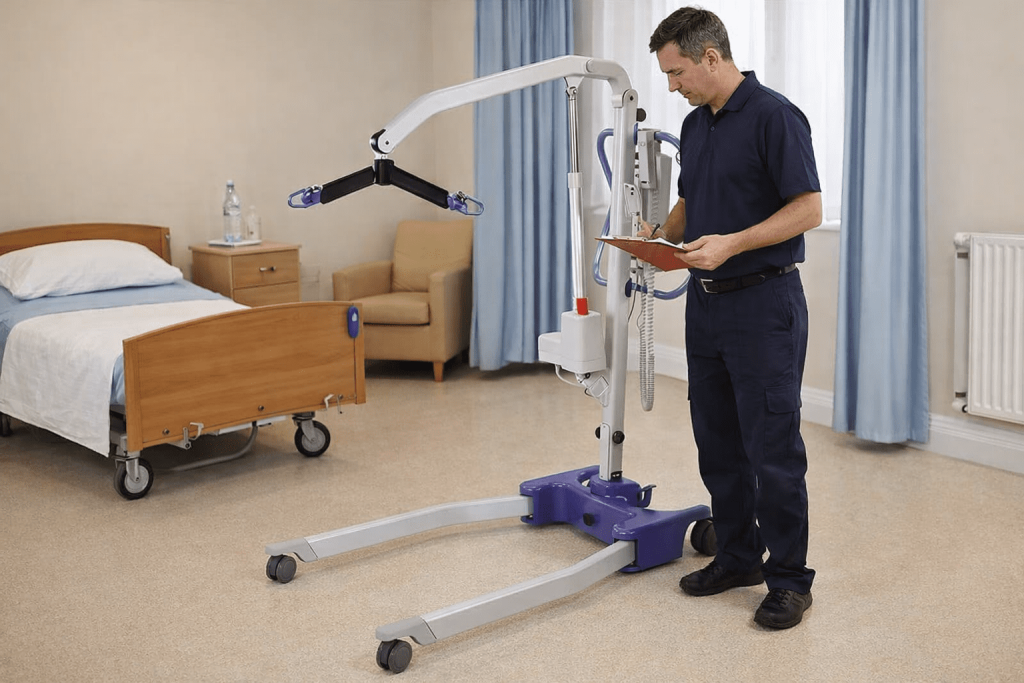
Patient Handling Equipment We Inspect
If it lifts a person, it needs a thorough examination. HSE guidance for the health and social care sector sets out exactly which moving and handling equipment falls under LOLER — and which does not. We examine all of the following.
|
Equipment |
Classification |
Examination interval |
|
Mobile patient hoists |
Lifting equipment |
6 months |
|
Ceiling track, gantry and fixed hoists |
Lifting equipment |
6 months |
|
Stand aids and raising aids |
Lifting equipment |
6 months |
|
Bath hoists and bath lifts |
Lifting equipment |
6 months |
|
Slings, spreader bars, straps and clamps |
Lifting accessory |
6 months |
|
Stairlifts and through-floor lifts |
Lifting equipment |
6 months |
|
Platform lifts and passenger lifts |
Lifting equipment |
6 months |
Equipment that is not covered by LOLER
Height adjustability on its own does not bring an item under LOLER. Standing transfer aids, riser recliner chairs, profiling beds and trolleys, height-adjustable baths, mattress elevators, pillow risers and lifting cushions are not lifting equipment — though they remain work equipment, so your PUWER duty to maintain them in a safe condition still applies.
What a Patient Hoist Inspection Includes
- Asset register reconciliation. We check what is on site against your register, tag anything untagged, and pick up hoists and slings that have dropped off the schedule.
- Structural and mechanical examination. Mast, boom, spreader bar, chassis, castors, welds, fixings and lifting points examined for wear, distortion, corrosion and damage. On ceiling track systems, the track, anchors and end stops.
- Functional and safety device testing. Lifting and lowering operation, emergency stop, emergency lowering, overload protection, limit switches, charging system and battery condition, hand control and audible warnings.
- Sling and accessory examination. Every sling assessed individually — webbing, stitching, loops, clips and legibility of the safe working load label. Slings deteriorate faster than hoists, and unlabelled slings are among the most common findings we report.
- Defect classification. Every finding is graded, so it is unambiguous what must stop use immediately, what needs remedial work by a date, and what is advisory only.
- Report and certification. A report containing everything required by LOLER Schedule 1 or SI 299 Schedule 1 Part E, issued from the engineer’s tablet and published to your portal.
Reports, Certification and Asset Management
Compliance is only as good as the paperwork behind it. Every examination we carry out lands in a live online register rather than a filing cabinet. If an inspector asks for six-monthly evidence on any hoist in your building, you should be able to produce it in under a minute. That is the standard we build to.
- Reports written on the engineer’s tablet and available minutes after we leave site
- Every certificate for every asset in one portal, accessible in real time
- Full examination history per asset, protected from unauthorised alteration
- Next-due dates tracked per asset, so nothing runs past its examination date
- Registers and reports laid out ready for CQC, RQIA, Care Inspectorate, CIW and HIQA inspection — and for your insurer
Why Choose WH Scott for Patient Hoist Inspections
- Lifting and engineering specialists since 1897
- Over 400,000 statutory examinations completed every year across the UK and Ireland
- Directly employed engineers covering Ireland, Northern Ireland and Great Britain — one supplier for a multi-site estate
- LEEA member; ISO 9001, ISO 14001, ISO 45001 and ISO 27001 certified; EN 1090 approved
- SafeContractor, Acclaim, RISQS, UVDB, SafePQQ accredited and a Procure Public framework partner
- Real-time online certification portal included as standard
- Remedial repairs, replacement slings and load testing available from the same team
- Part of WH Scott Group, with Re-Ropes and Metlab — Safety Critical Solutions
Related Services
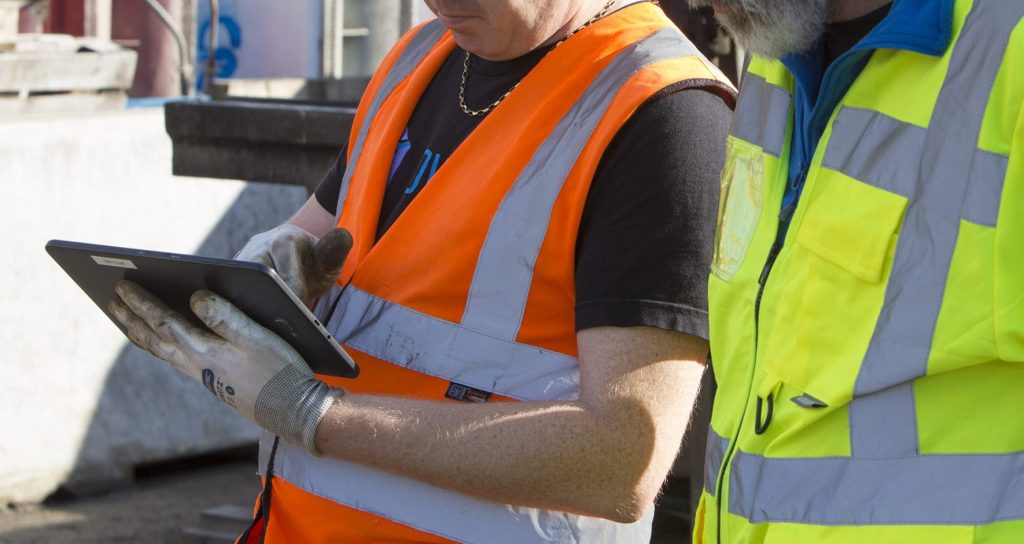
LOLER Thorough Examination & Certification
Statutory examination and digital certification across every category of lifting equipment and accessory.
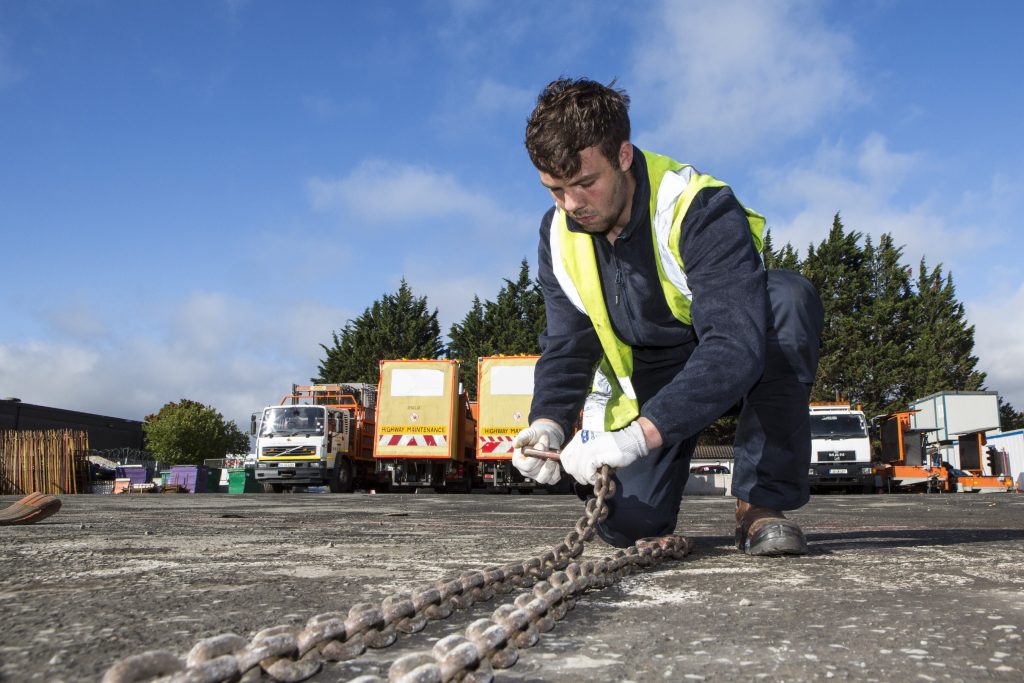
Loose Tackle LOLER Inspections & Maintenance
Item-by-item examination of slings, shackles, hooks and lifting accessories against your asset register.
Statutory Inspections
One combined programme covering every statutory examination due across your site, grouped into as few visits as possible.
Frequently Asked Questions
How often must patient hoists be thoroughly examined?
At least every six months. Regulation 9(3)(a)(i) of LOLER 1998 sets a six-month interval for lifting equipment used to lift persons and for lifting accessories, unless a competent person has drawn up an examination scheme setting different periods. Examination is also required after exceptional circumstances liable to jeopardise safety — damage, modification, relocation, or a long spell out of use.
What is the difference between a LOLER examination and a service?
A service is maintenance: the planned work that keeps the hoist running, usually to the manufacturer’s schedule. A thorough examination is a statutory assessment by a competent person of whether the equipment is safe to keep using, ending in a written report containing the particulars set out in Schedule 1. One is upkeep, the other is a legal duty and a defensible record. You need both.
Do patient hoist slings need separate inspection?
Yes. Slings are lifting accessories, so LOLER applies to them in their own right and they carry the same six-month interval as the hoist. We examine every sling individually against its own identification, checking webbing, stitching, loops, clips and the legibility of the label and safe working load. A sling that cannot be identified cannot be certified.
What happens if a patient hoist fails its examination?
The inspector records the defect, grades it by urgency and tells you on site rather than waiting for the paperwork. Where a defect involves an existing or imminent risk of serious personal injury, the equipment must be taken out of use and the competent person notifies the relevant enforcing authority. Our own engineers can then quote and complete the remedial work.
Who is legally responsible for hoist inspections in care homes?
The dutyholder: the employer, or whoever has control of the equipment. That responsibility does not transfer to your inspection contractor. In England, CQC also assesses the maintenance of equipment under Regulations 12 and 15 of the Health and Social Care Act 2008 (Regulated Activities) Regulations 2014. Appointing a competent contractor is how you discharge the duty, not how you delegate it.
How quickly can you attend our site?
We work from depots across the UK and Ireland, so most care and healthcare sites are covered by a local engineering team rather than a national call-out. Tell us your locations and how many hoists and slings you hold, and we will confirm attendance and a six-monthly schedule in writing before any work is booked.
Lifting Solutions
Part of a complete lifting range
This is one of the complete lifting solutions delivered by WH Scott across the UK and Ireland — from radio remotes, hoists and crane components to fully bespoke crane systems. Explore the full range to find the right fit for your operation.