
WH SCOTT
Pump Chain Inspection
Inspection, testing and certification for the lifting chains that raise and lower your submersible pumps. Carried out on your site, at your wet wells, across the UK and Ireland.
Why Wet Well Chains Wear Out Early
A submersible pump is only as safe to lift as the chain holding it. Pump chain inspection covers the chain, shackles, hooks and lifting eyes used to raise and lower pumps in wet wells and pumping stations. That equipment spends its working life submerged in effluent, grit and chemically aggressive water. It corrodes from inside the link outwards, at the bearing surfaces, where you cannot see it from the surface.
That matters for two reasons. A chain that parts drops a pump you then have to recover from a full wet well, with the cost and the confined space entry that go with it. And a chain with no current record of examination leaves you exposed at your next LOLER inspection or client audit. Both problems are cheaper to deal with in a planned visit than an unplanned one.
We examine the chain in place, measure wear against defined discard criteria rather than judging it by eye, load test where the duty calls for it, and issue certification as the engineer completes the inspection. Where an item fails, you get a written explanation of what was found and what to do about it — not just a red mark on a report. Our engineers work from 14 depots across the UK and Ireland.
![[Describe the photo you choose — for SEO]](https://whscottlifting.com/wp-content/uploads/2026/05/WHS-Gantry-Crane_V3.png)
What a Pump Chain Inspection Includes
- Thorough examination of the lifting chain, link by link, against LOLER requirements
- Chain wear measurement — elongation across a gauge length, and link diameter at the bearing points
- Examination of shackles, master links, hooks, chain sockets and the pump lifting eye
- Assessment of the davit, bracket, gantry or fixed point the chain lifts from
- Corrosion, pitting, stretch, cracking, twisting, gouging and weld condition recorded per item
- Pump chain testing, including proof load testing, where a chain is new, repaired, modified or of unknown history
- Pump lifting chain certification issued against each item on your asset register
- Written remedial advice and a quotation for anything found unserviceable
Chains, Tackle and Sites We Cover
- Round-link and short-link lifting chains on submersible pumps, mixers and screens
- Stainless steel and galvanised chain assemblies, in wet wells and dry wells
- Chain sockets, shackles, master links, hooks and pump lifting eyes
- Chain blocks, lever hoists and winches used to recover the pump
- Davits, davit bases, wall brackets, gantries and fixed lifting points
- Guide rails, lifting bails and pedestal fittings the chain works against
- Water and wastewater treatment works, pumping stations, storm overflows, quarry sumps, dock and marine pumping, and process water systems in heavy industry
How an On-Site Chain Inspection Works
- Survey and asset register — We attend site and list every pump, chain and lifting point in scope. Capacity, length, material, location and condition are recorded, and we confirm which examination interval each item falls under.
- Access and isolation — The lift is planned before it happens. Permit to work, isolation, gas monitoring and confined space controls are agreed with your site team, so the visit does not stall at the wet well cover. [PLACEHOLDER: WH Scott confined space entry qualifications / permit scheme held]
- Examination and measurement — The chain is examined along its full length. Wear is measured rather than estimated — elongation over a gauge length and link diameter at the bearing points — against [PLACEHOLDER: discard criteria or standard applied, e.g. manufacturer limits or applicable BS EN standard].
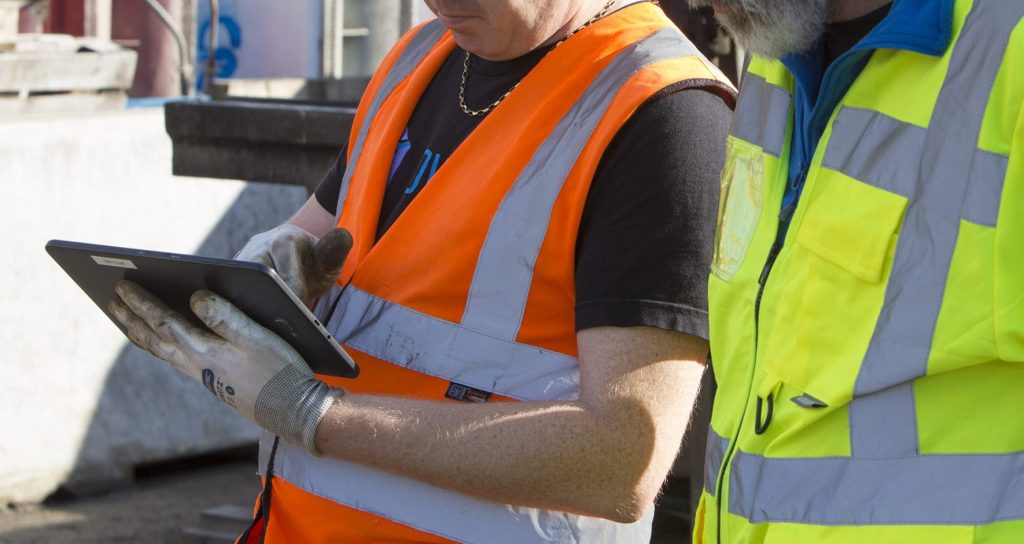
- Testing and certification — Load testing is carried out where the chain is new, repaired, modified or of unknown provenance. Certificates are generated on the engineer’s tablet as the inspection completes, then published to your online dashboard.
- Remedial work — Anything unserviceable is quoted and, on your instruction, replaced by our own engineers. Replacement chain and tackle are supplied from our own stock, so a failed item does not wait on a third-party lead time.
Certifications & Standards
- LOLER 1998 — thorough examination and reporting. Lifting accessories are generally examined at least every six months, but the correct interval for a given chain depends on how it is classified and whether a written scheme of examination is in place. We confirm the regime at survey rather than assume it.
- LEEA member, and certified to ISO 9001, ISO 14001, ISO 45001 and ISO 27001 by Centre for Assessment.
- Where your specification calls for accredited testing, it is carried out through Metlab, the group’s testing laboratory, INAB accredited to ISO/IEC 17025 under Reg. 398T. Tell us which standard and which test before work starts and we will confirm in writing whether it falls inside scope.
Related Services
LOLER Thorough Examination & Certification
Statutory examination across your whole lifting register, with certificates published to the online dashboard.
Load Testing
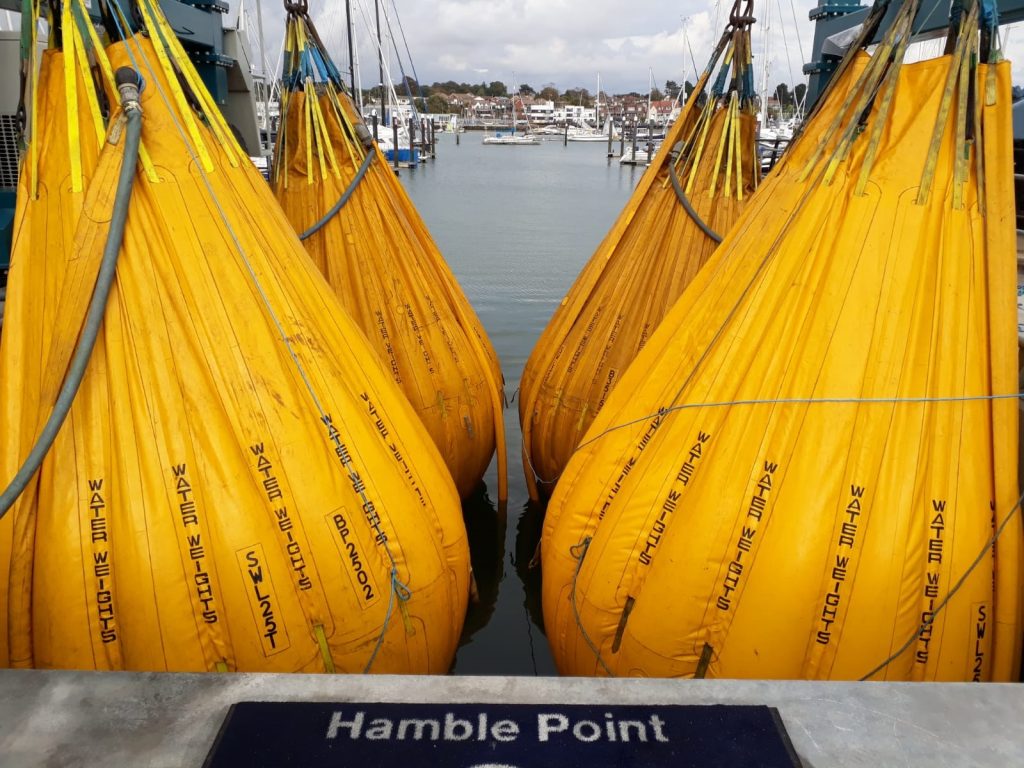
Fixed weight and waterweight load testing for chains, ropes, lifting beams and lifting equipment.
Loose Tackle LOLER Inspections & Maintenance
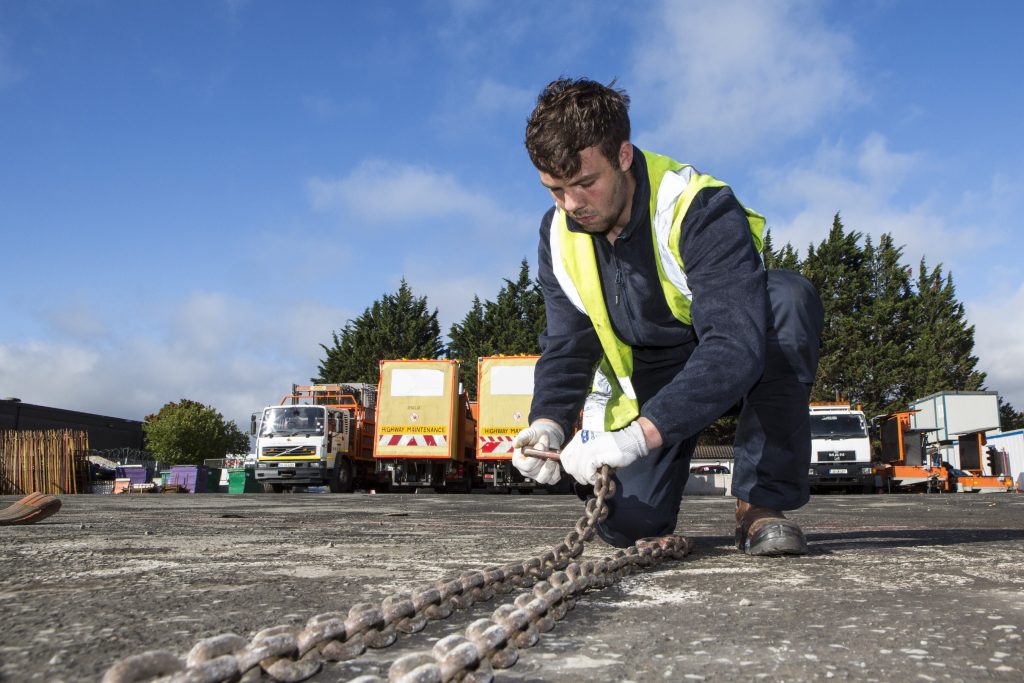
Shackles, slings, hooks and chain blocks examined item by item against your asset register.
Common Questions About Pump Chain Testing
How often should a pump lifting chain be inspected?
As a general position, lifting accessories fall into the six-monthly thorough examination category under LOLER, while other lifting equipment is examined at least annually. Which one your chain sits in depends on how it is classified and whether a written scheme of examination applies. Duty matters too — a chain in a grit-laden storm pumping station will not last as long as one in clean process water. We confirm the correct interval at survey and build it into your schedule.
Do you have to take the pump out of service?
The pump usually has to come up, because the chain cannot be examined properly while it is loaded and submerged. What we can do is plan around you. We schedule against your maintenance windows, group multiple chains and pumps into a single attendance, and cover standby and duty pumps in sequence so you are never without a running set. Tell us the constraint at enquiry stage and we will work the visit around it.
How do you decide a chain is worn out?
By measurement, not by eye. We measure elongation across a defined gauge length and check link diameter at the points where links bear on each other, then compare both against the discard criteria for that chain. Visible pitting, cracking, gouging, twisting or a stretched link is enough on its own to condemn an item. Every measurement is recorded, so you can see the trend across inspections rather than a single pass or fail.
What happens if a chain fails?
You get told on the day, in writing, with the reason. The item is quarantined so it cannot go back into service by accident, and we quote the replacement. Because we carry chain and tackle in our own stock and our own engineers do the remedial work, replacement does not have to be subcontracted or wait on a supplier lead time.
Can you inspect chains across multiple sites under one contract?
Yes, and it is usually the cheaper way to do it. Chains at treatment works, pumping stations and outstations go onto a single asset register with one schedule, so examinations fall due together instead of arriving piecemeal. Certificates for every site publish to the same dashboard. If you also run cranes, hoists or loose tackle, those examinations can be folded into the same visits rather than booked separately.
▶ INSERT THE Call to Action TEMPLATE HERE,
then delete this placeholder block. (Do not edit the template — its link is managed centrally.)